Español
 Français
 English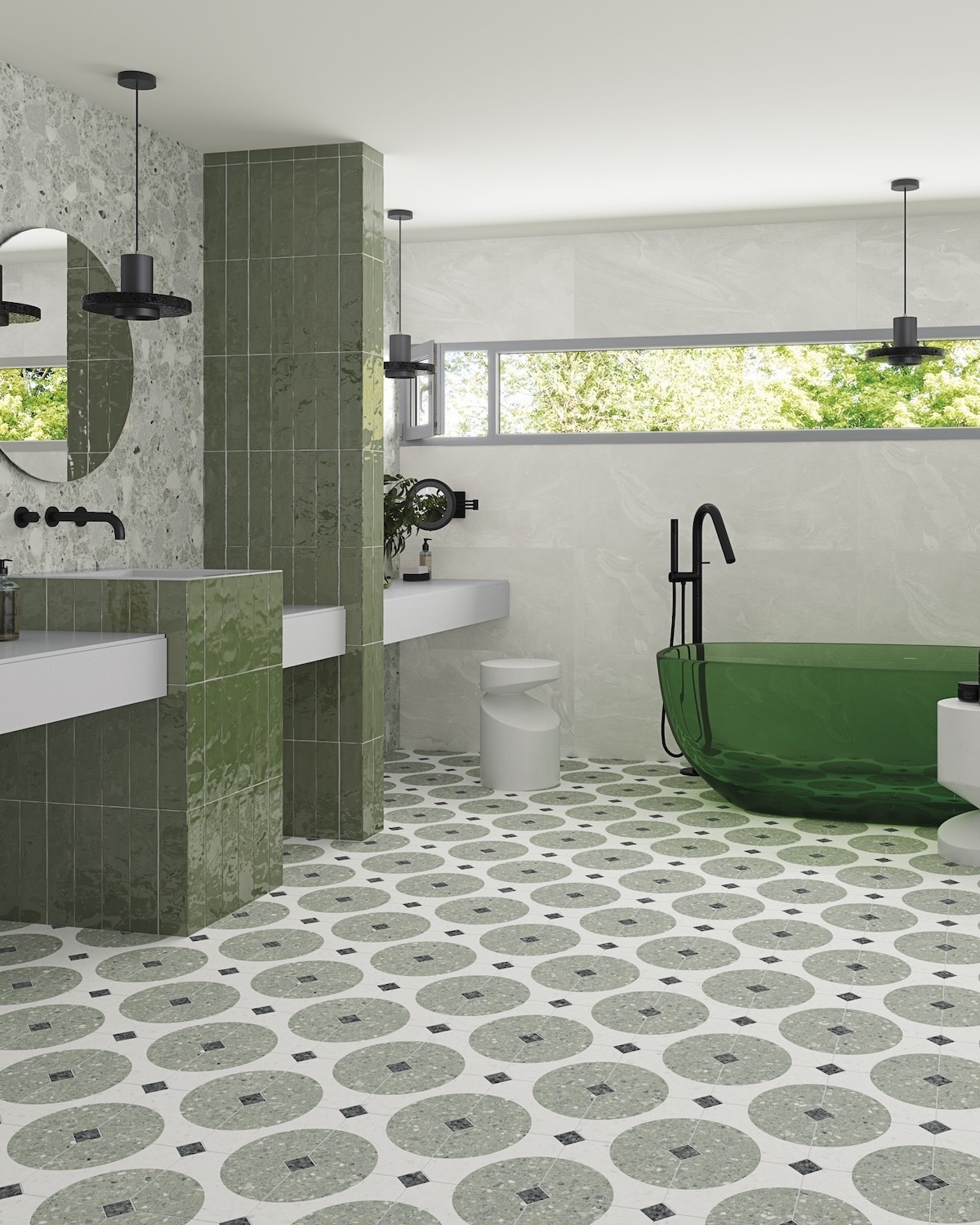
- -15%
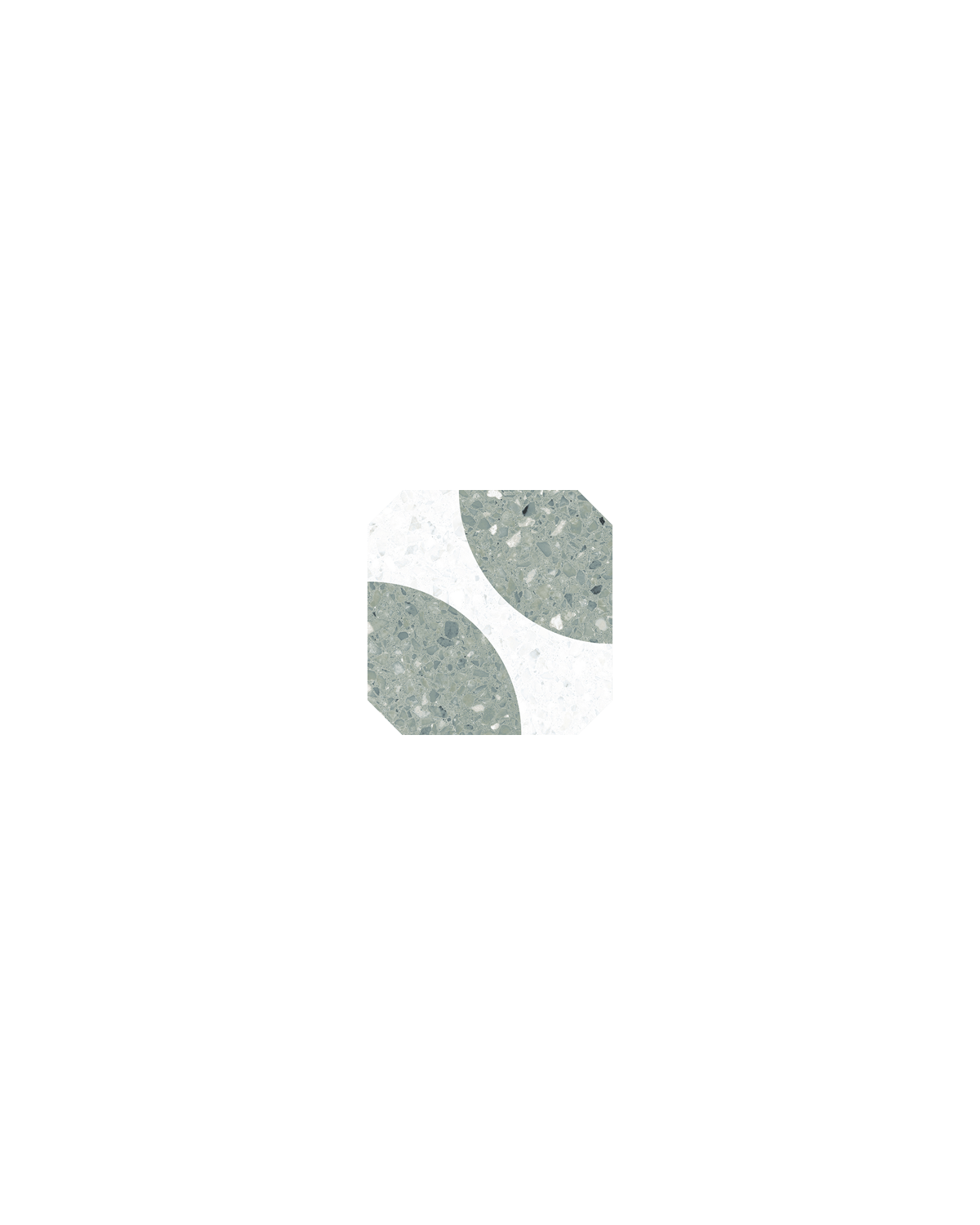
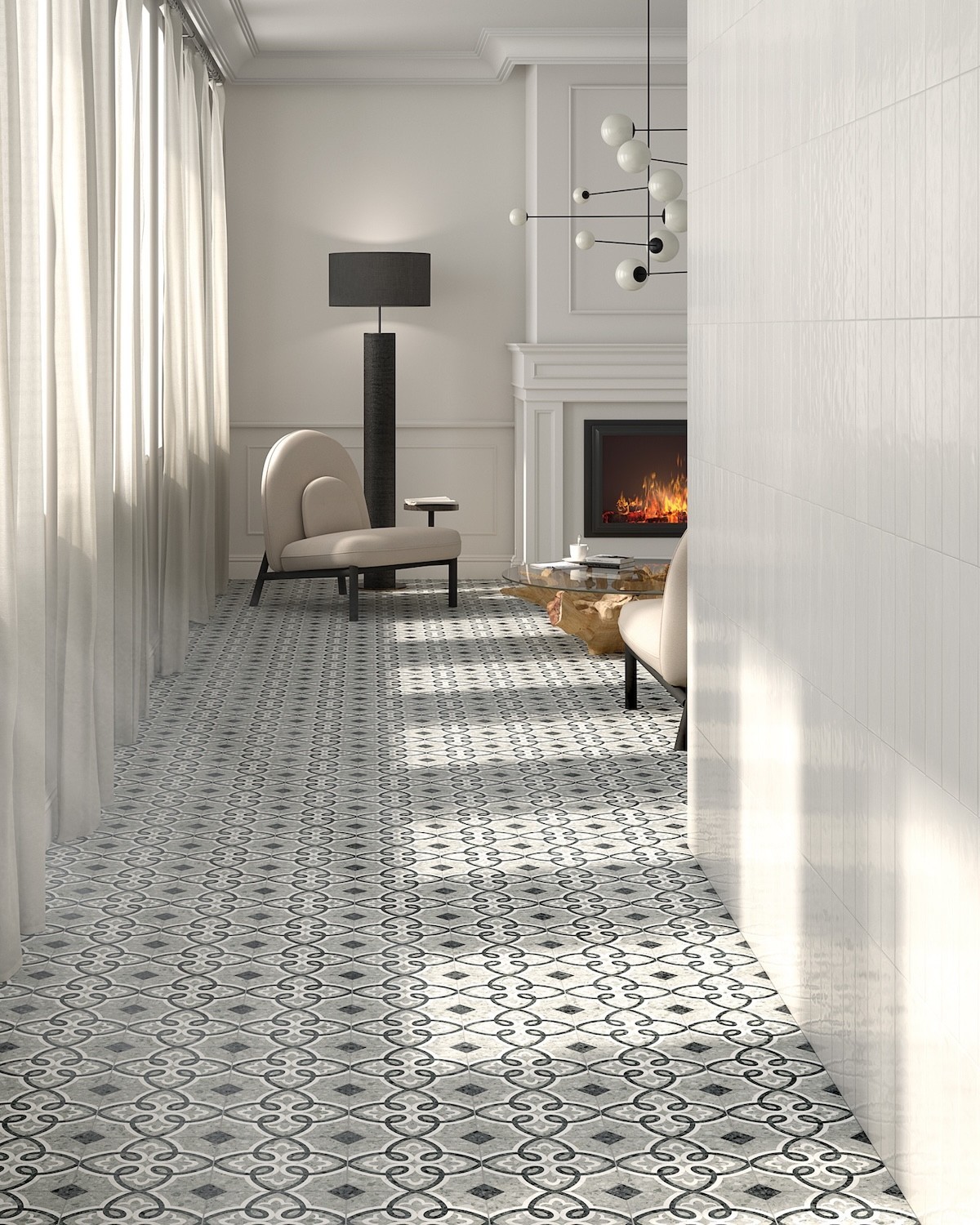
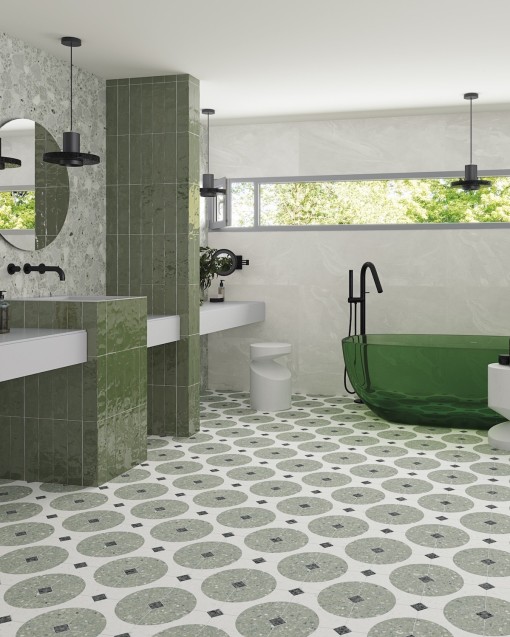
The Niza Deco 20x20 terrazzo-effect porcelain tile collection by Vives reinterprets the expressive character of traditional decorative flooring through a contemporary take on the octagonal format. The range combines mineral-inspired backgrounds, terrazzo-style fragments and geometric motifs to create floors and walls with a much more elaborate identity than a plain surface. Each design establishes its own dialogue between colour, form and repetition, turning ceramic modulation into an active part of the interior architecture.

 Security policy
All payment options are under SSL certificate with encryption
 Delivery policy
We deliver with a flatbed truck to any destination in Spain, France and Belgium. Consult other dest
The Niza Deco 20x20 terrazzo-effect porcelain tile collection by Vives reinterprets the expressive character of traditional decorative flooring through a contemporary take on the octagonal format. The range combines mineral-inspired backgrounds, terrazzo-style fragments and geometric motifs to create floors and walls with a much more elaborate identity than a plain surface. Each design establishes its own dialogue between colour, form and repetition, turning ceramic modulation into an active part of the interior architecture.
Valeta Verde, Antibes Verde, Garde Gris, Grimaud Multicolor, Tolone Beige and Cerbere Negro form a highly varied family of decorative patterns. Some designs use broad curves that flow across the tiles, while others reinterpret floral motifs, geometric borders and classically inspired compositions. The visual texture of terrazzo provides a common thread throughout the collection, adding depth and material richness so that the patterns never appear flat or purely graphic.
The 20x20 cm format reinforces the modular character of the collection. Each tile works independently, yet reaches its full decorative potential when repeated and connected with the surrounding pieces. The clipped corners of the octagonal shape introduce small transition points within the layout and allow the composition to be enriched with coordinated inserts. The floor therefore stops being a passive background and becomes an active element in the design of the space.
Traditional terrazzo is characterised by visible mineral fragments set within a continuous base. Niza takes this visual richness and transfers it to decorative porcelain stoneware, adding lines, curves, frames and ornamental figures. The result retains the memory of historic mineral flooring while offering a more precise, graphic and contemporary interpretation.
Within these decorative designs, the terrazzo effect does more than provide a background. Its small visual inclusions soften the areas of colour, introduce subtle variation and prevent each tone from appearing too uniform. The greens take on a mineral quality, the beige shades recall pale stone and traditional mortars, the grey and black tones add depth, while the terracotta accents introduce warmth associated with Mediterranean architecture and natural materials.
This combination of mineral inspiration and ornamental drawing allows Niza to work within many different decorative settings. It can be paired with clean-lined contemporary furniture, more traditional joinery, timber kitchens, metallic elements and stone surfaces. Its personality does not depend on literally reproducing an antique floor, but on using historical references to build current and highly individual interiors.
The octagonal shape completely changes the appearance of the conventional 20x20 tile. By visually removing the four corners, each piece acquires a more complex geometry and creates small connecting spaces between modules. These points can be completed with inserts in different colours to reinforce contrast, soften the composition or introduce an additional chromatic rhythm.
The repetition of the octagon creates an instantly recognisable structure associated with the traditional floors of historic homes, entrance halls, galleries and old commercial interiors. Niza, however, avoids a purely nostalgic reproduction. Its oversized curves, stylised lines and controlled colour contrasts bring this geometry into the language of contemporary interior design.
The format also makes it possible to combine decorated zones with calmer surfaces. It can cover an entire room, define an open-plan kitchen, mark out an entrance, create a ceramic rug or highlight a specific area within a commercial project. The modulation helps organise the space visually without introducing abrupt changes of material.
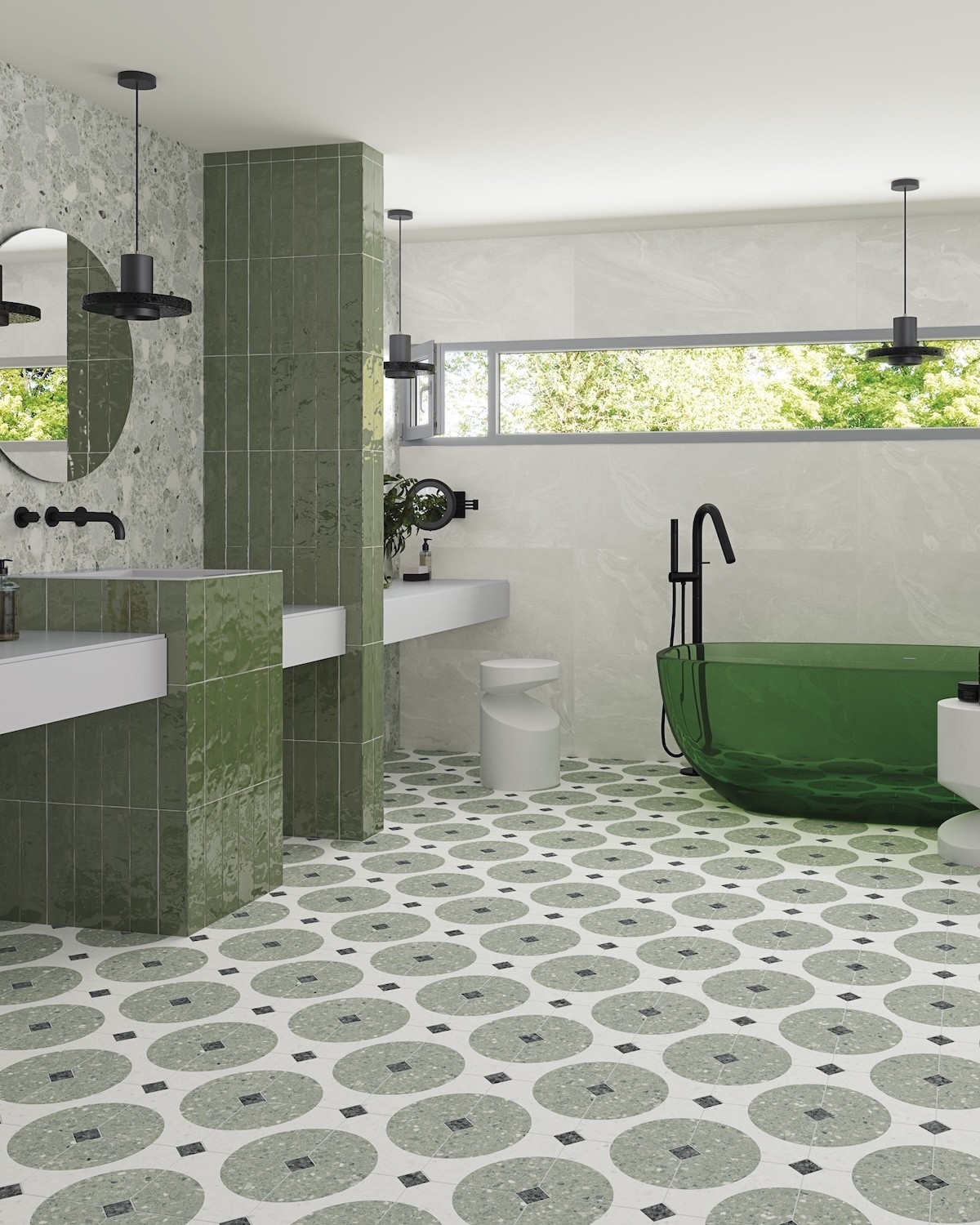
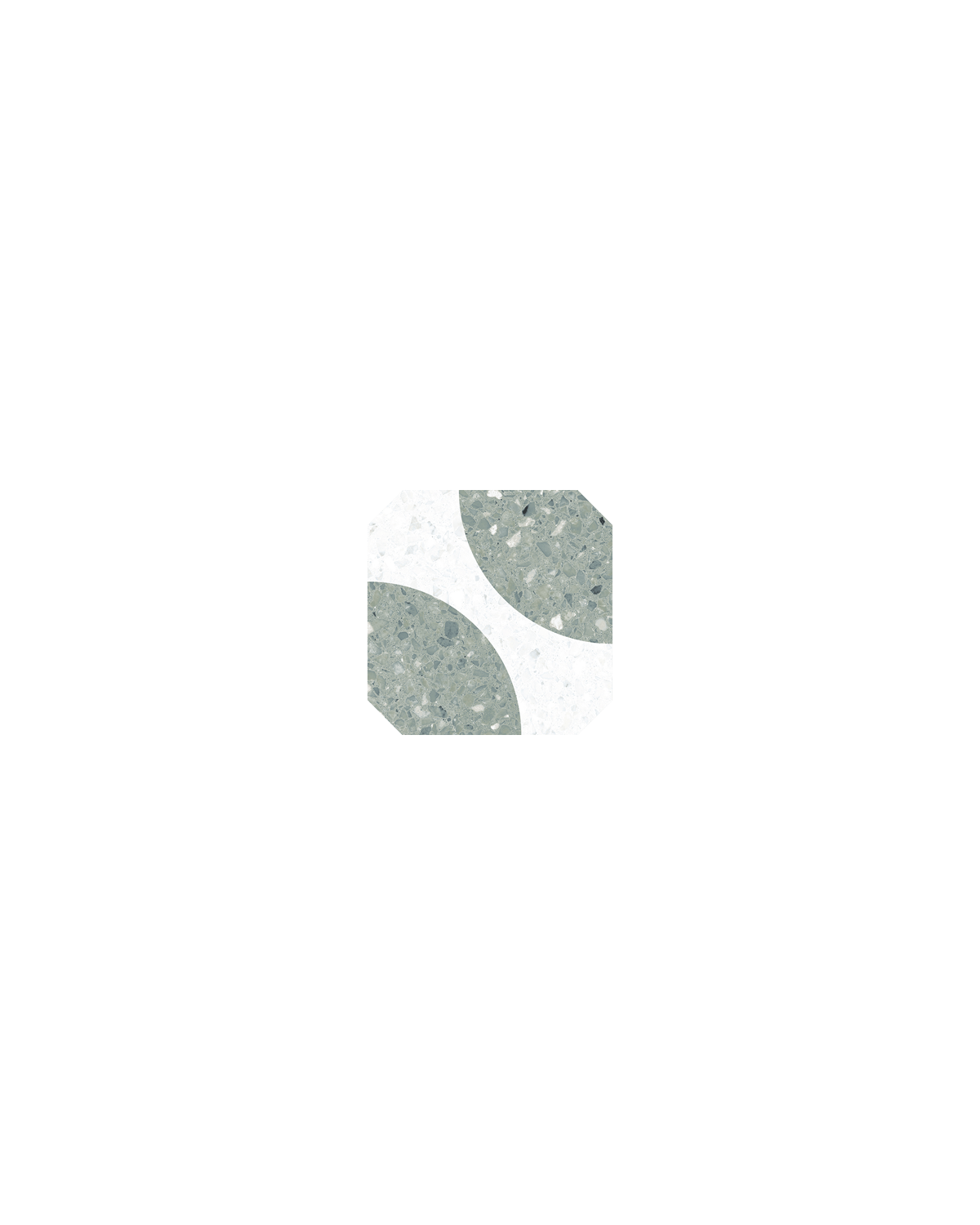
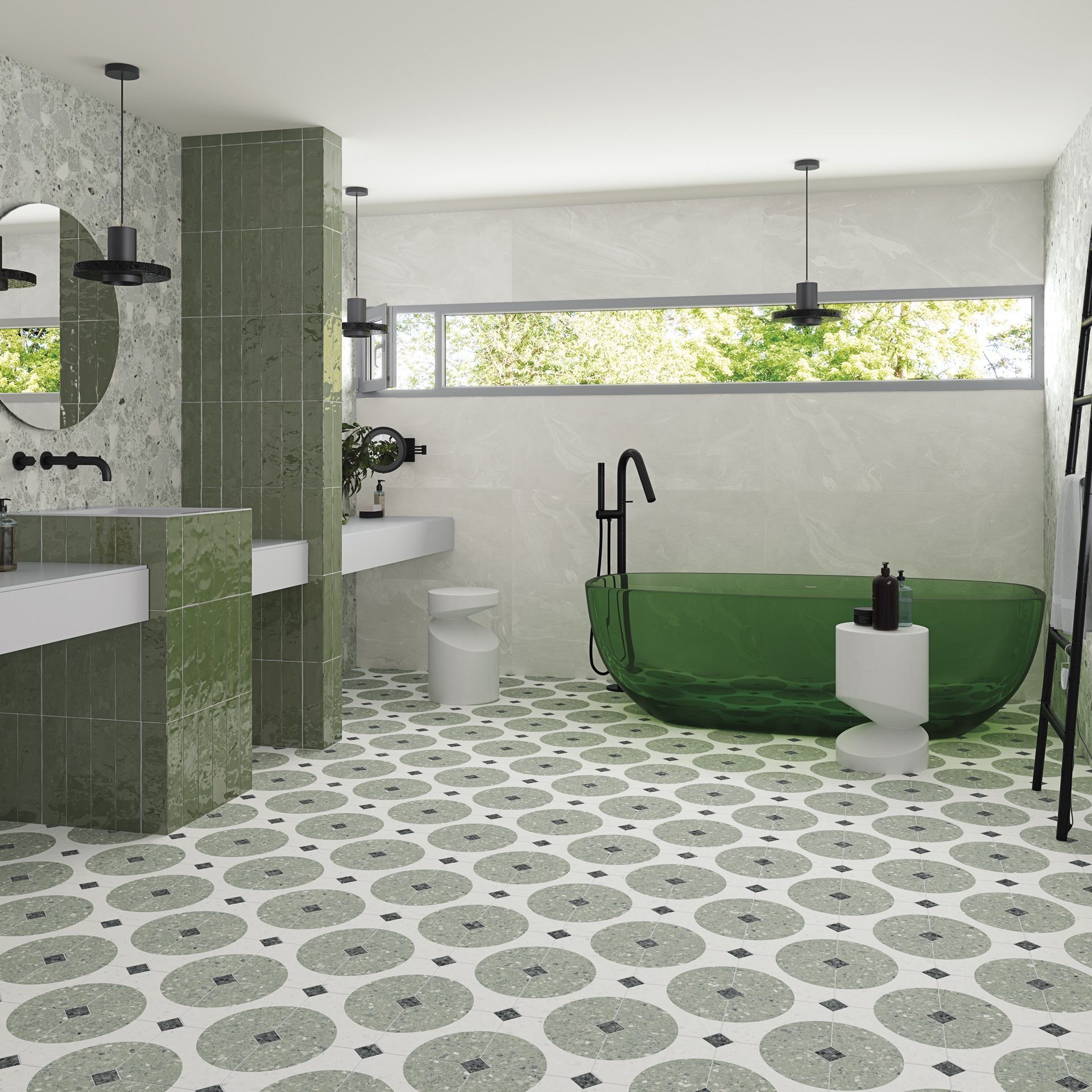
Octógono Valeta Verde is distinguished by a large pale curve crossing a green and grey terrazzo-effect background. When the tiles are repeated, the design can create waves, partial circles, flowing paths and open compositions that change according to the orientation of the pieces. There is no single correct layout, since the installation itself determines the final rhythm of the floor.
Its design balances the small scale of the 20x20 format with a much broader graphic gesture. The curve appears to extend beyond the edge of each tile, allowing several pieces to be read as one larger figure. This gives the surface a sense of fluidity and prevents the layout from being dominated only by the grid.
The green palette can be coordinated with pale timber, natural stone, cream shades, off-white finishes and metal details. In kitchens, bathrooms and hallways, Valeta introduces colour without relying on a completely plain tone. In restaurants, boutiques and other commercial interiors, it can also guide circulation visually or create a more dynamic central area.
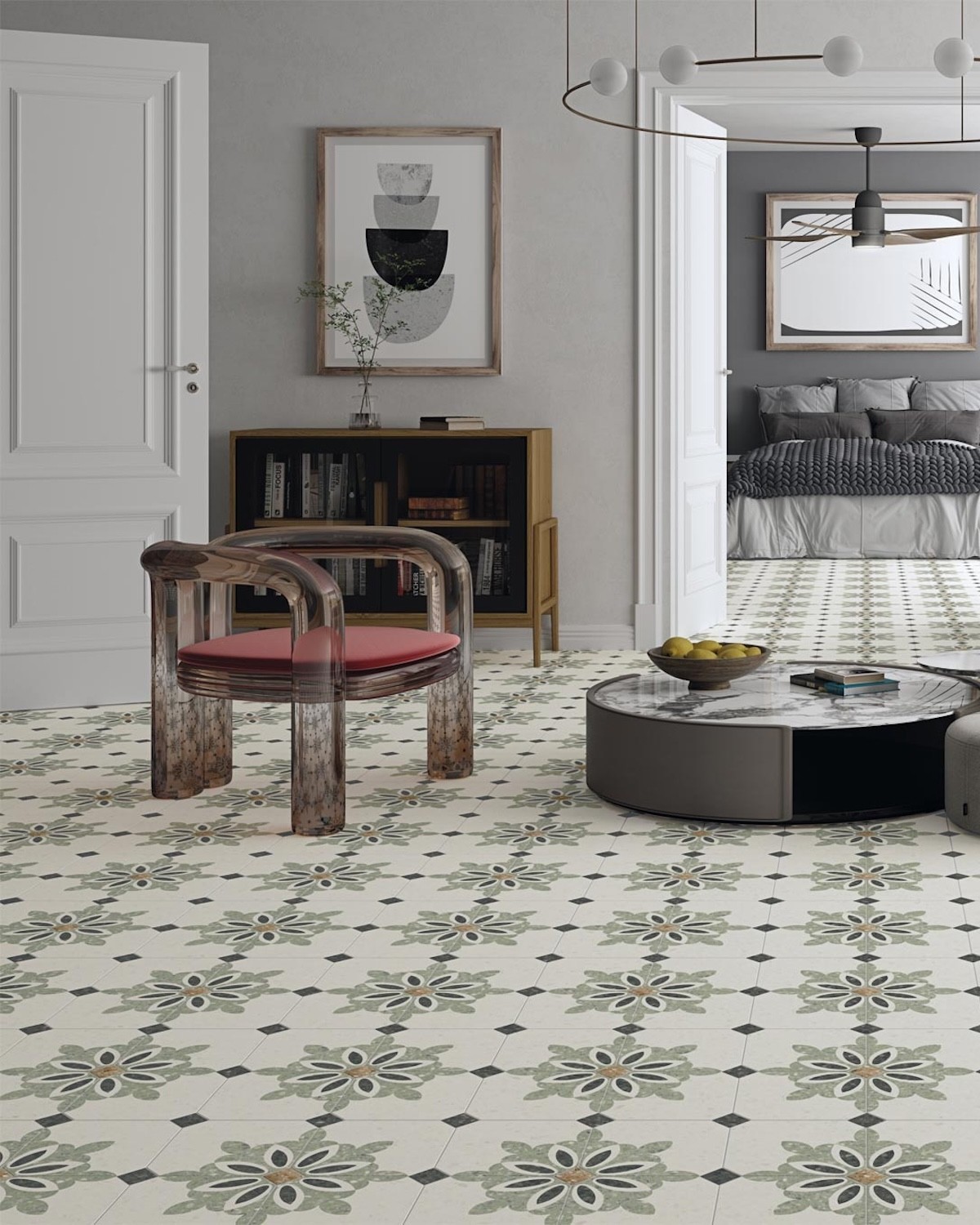
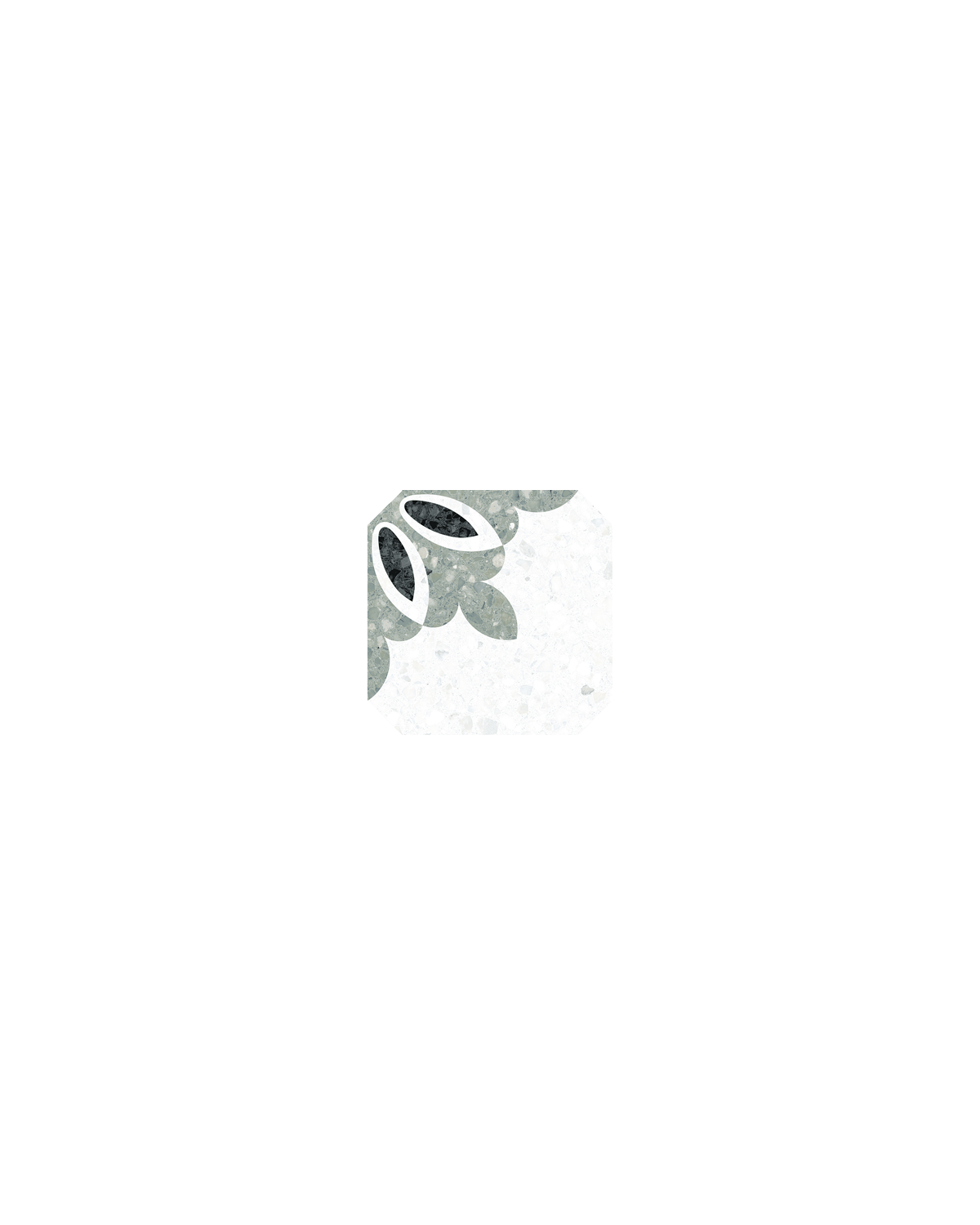
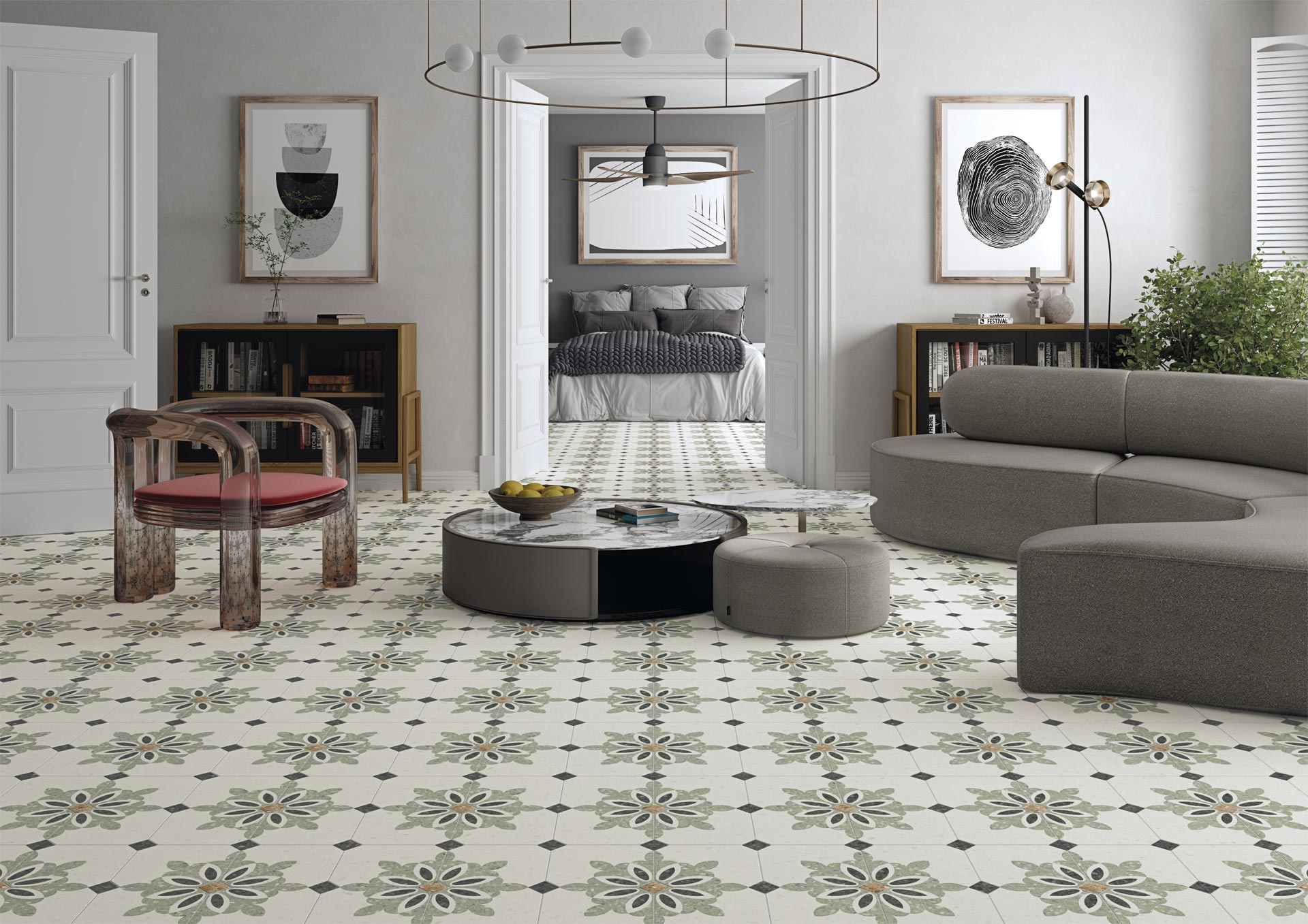
Octógono Antibes Verde develops a curved motif inspired by natural forms. Its shapes recall petals, leaves or small interlocking loops that connect when the tiles are installed together. The pattern brings an organic dimension to the octagonal geometry and produces a more delicate composition than the models based on straight lines.
The muted greens and pale backgrounds help maintain a balanced appearance. The decorative motif remains clearly visible, while the terrazzo texture prevents the contrast from becoming excessively sharp. This combination supports calm interiors connected with nature and materials that have a strong tactile presence.
Antibes can be used in bathrooms with timber furniture, Mediterranean-inspired kitchens, breakfast areas, entrance halls and small retail spaces. Across a larger surface, the floral design forms a continuous network. In a more limited application, it works as a ceramic rug or ornamental panel capable of defining an area without physically enclosing it.
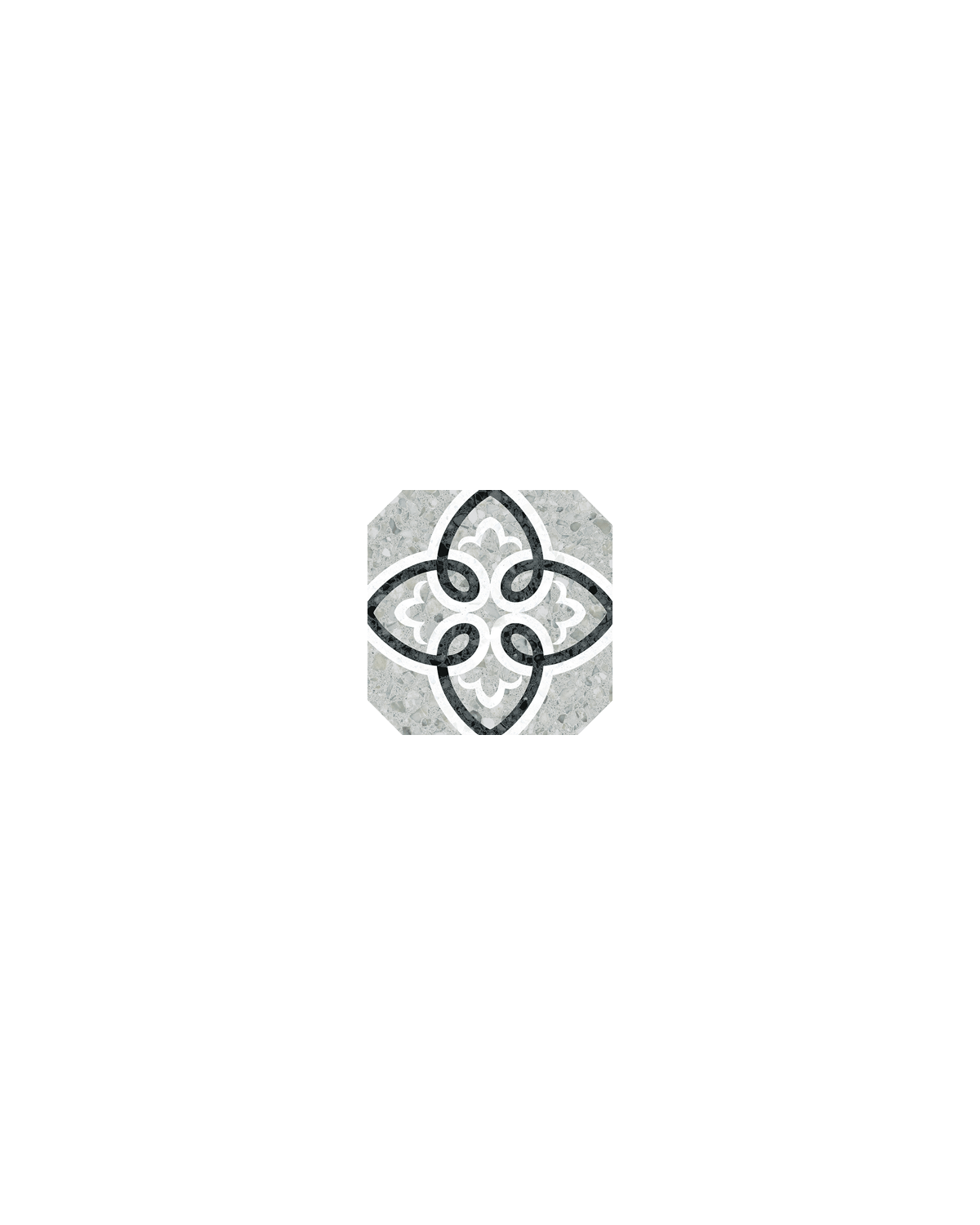
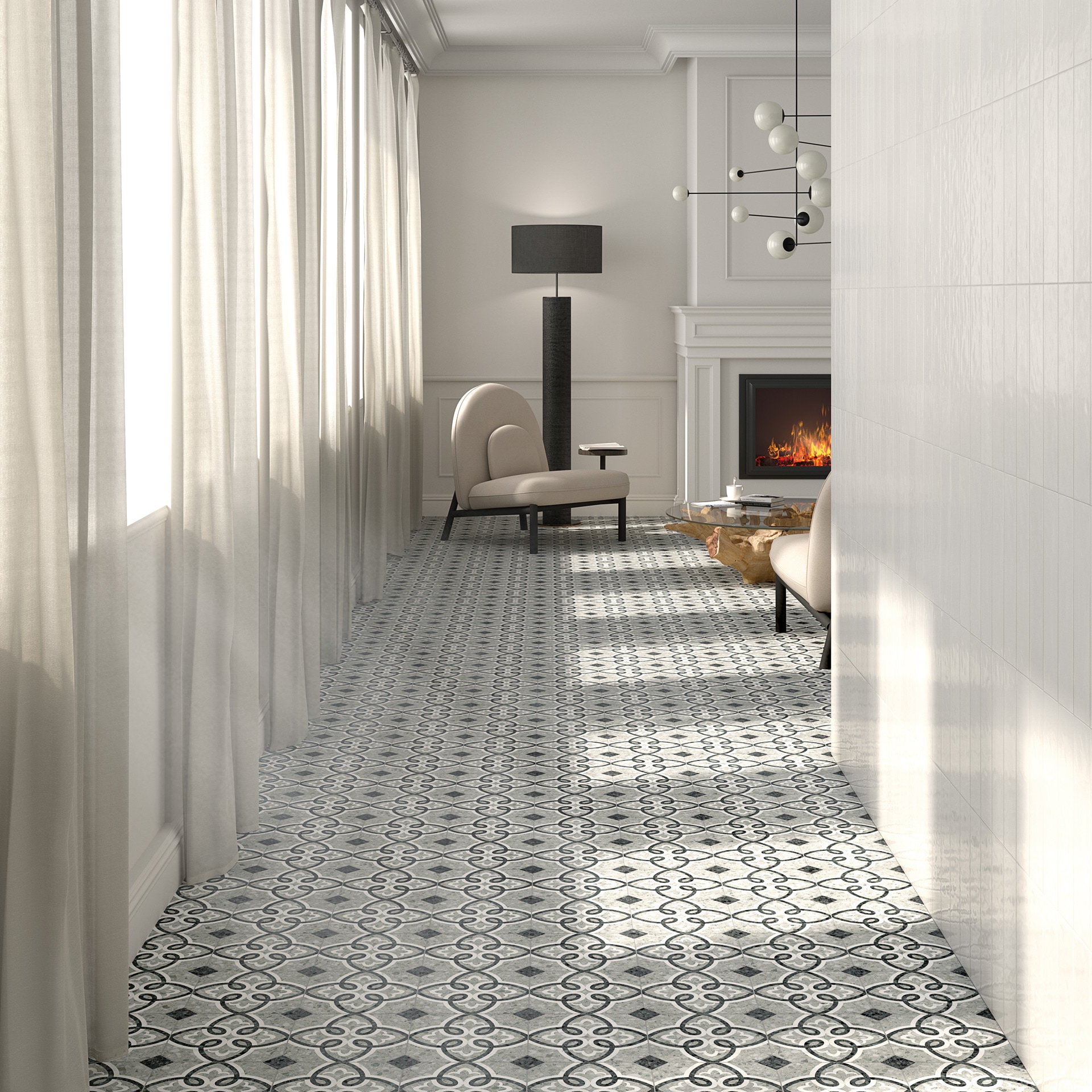
Octógono Garde Gris interprets ornamental design through a more restrained palette. The central motif combines curves and symmetrical forms in grey, white and black, creating a floral-style figure precisely contained within the octagon. The absence of intense colours gives greater prominence to the drawing and makes it easier to integrate into a wide range of interiors.
Its composition recalls certain traditional cement tiles and classical mosaics, although the terrazzo-effect texture gives it a different character. The mineral fragments soften the outlines and create a visually less uniform finish. The result conveys elegance without becoming a literal reproduction of a historic design.
Garde Gris can be paired with white kitchens, oak furniture, dark worktops, grey stone, steel and black details. In bathrooms, it allows a graphic atmosphere to be developed without overloading the colour palette. It is also suitable for hotels, restaurants and retail projects looking for a distinctive, refined floor that coordinates easily with the surrounding architecture.
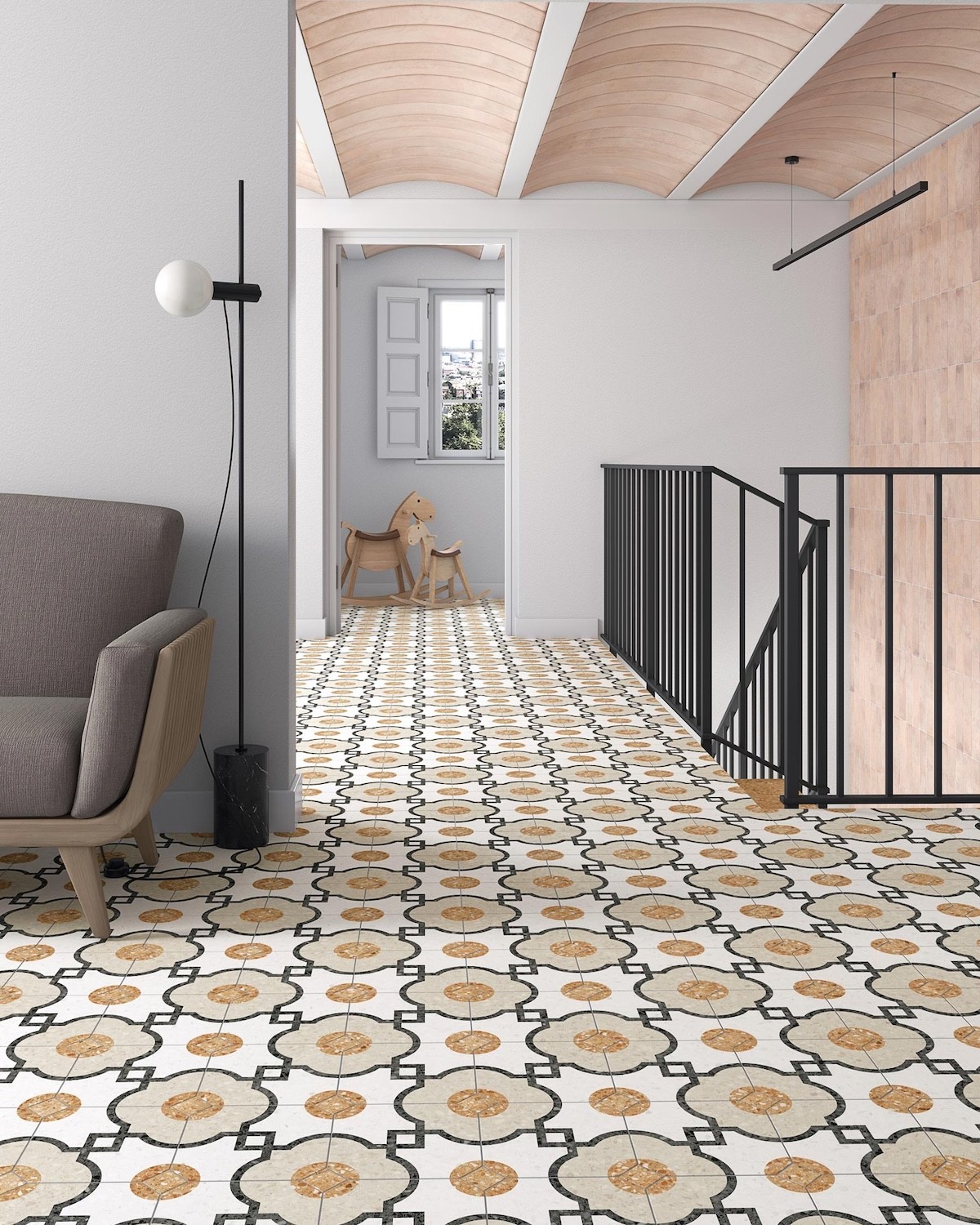
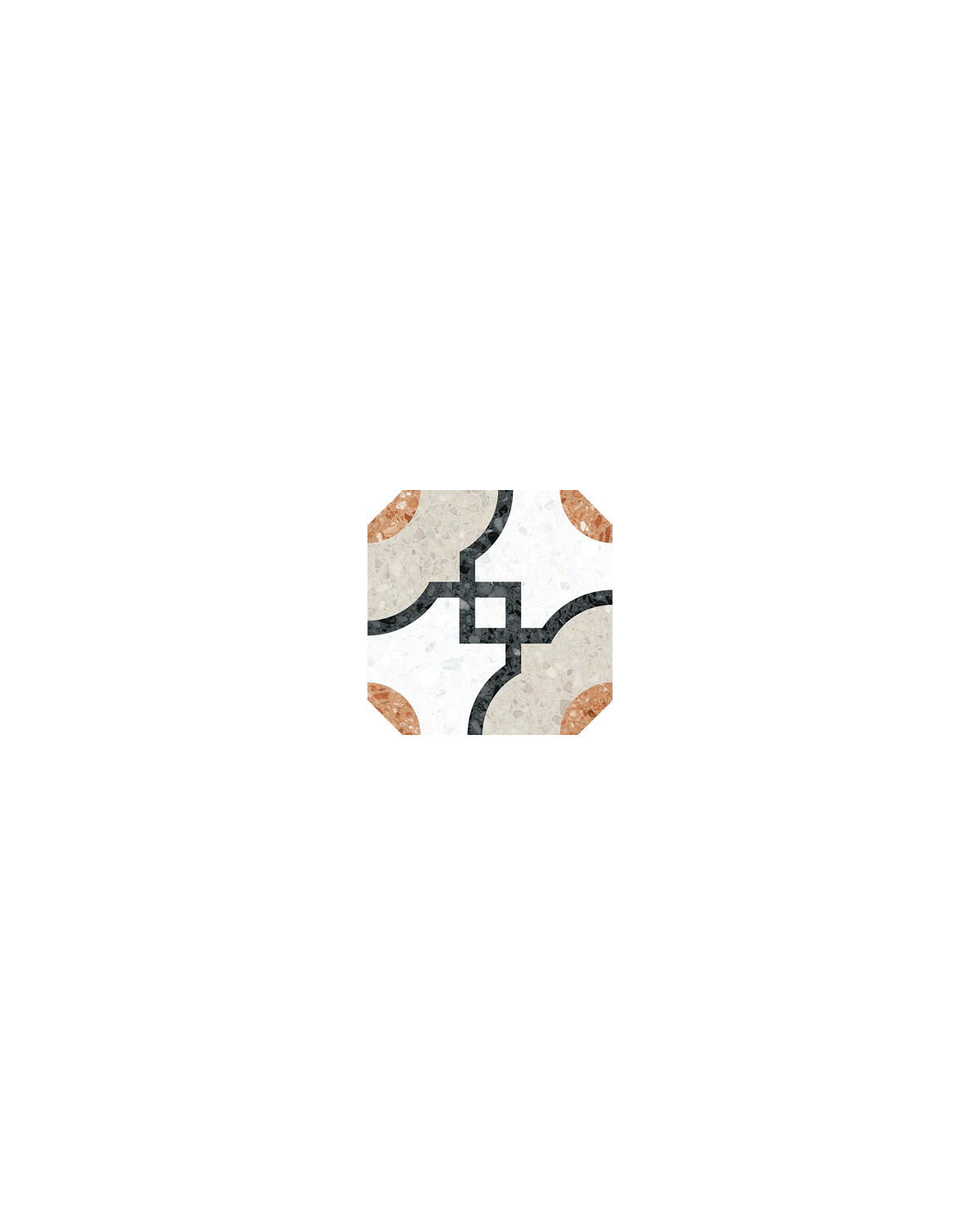
Octógono Grimaud Multicolor has a more pronounced decorative personality. Its design combines black curved lines, small square details and reddish sections positioned near the corners. When repeated, the tiles create an ornamental network in which each motif connects with the next to form larger-scale figures.
The colour combination introduces a controlled contrast between light, dark and warm tones. Black defines the geometric structure, the reddish shades add energy and the pale background preserves the brightness of the overall composition. The terrazzo texture brings these colours together and prevents the design from appearing too rigid.
Grimaud can become the focal point of an entrance hall, kitchen, dining area, restaurant or boutique. Its design supports eclectic interiors where contemporary furniture, vintage pieces and natural materials coexist. It can also be used to define a central area surrounded by a more neutral floor, creating the effect of a rug integrated directly into the architecture.
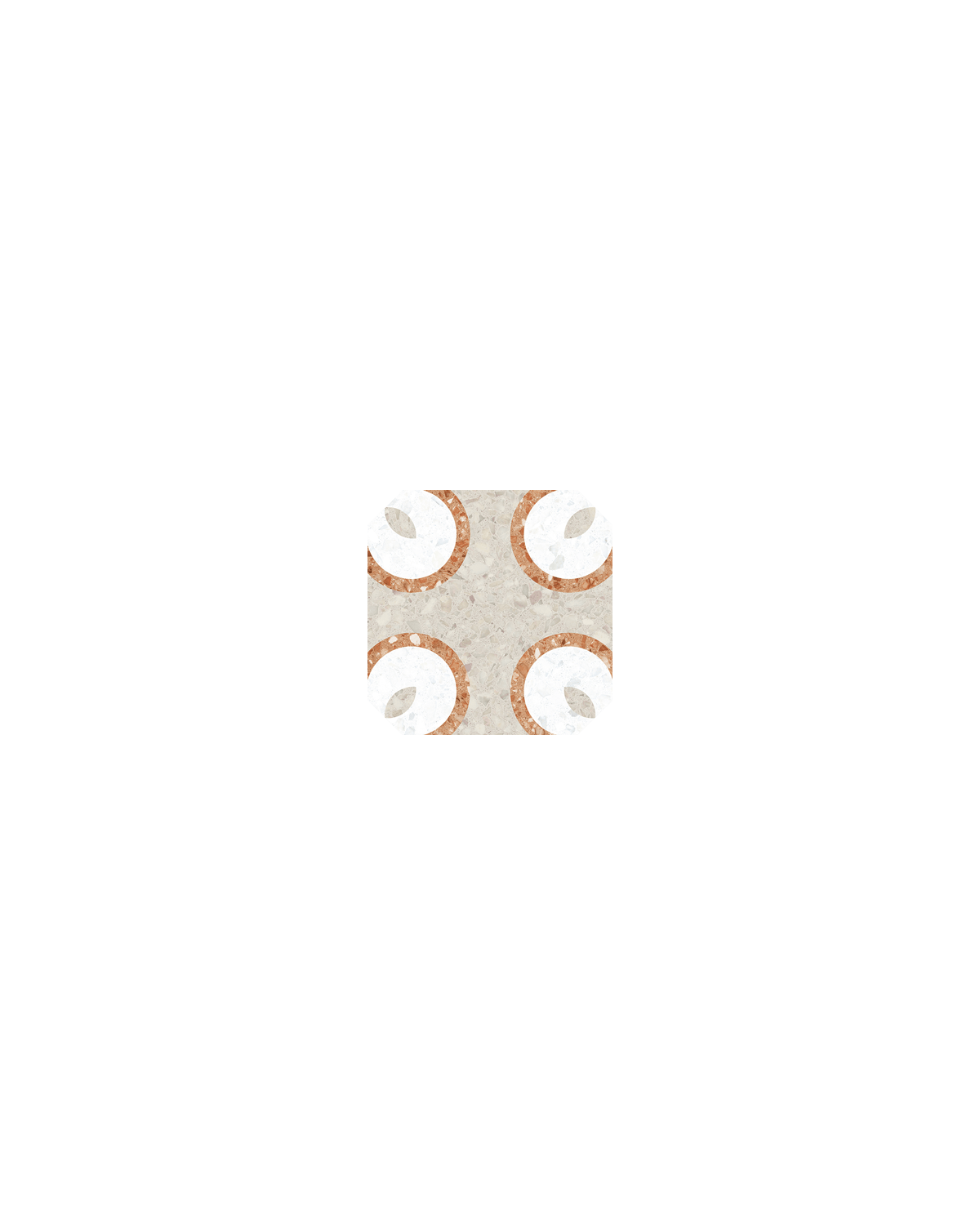
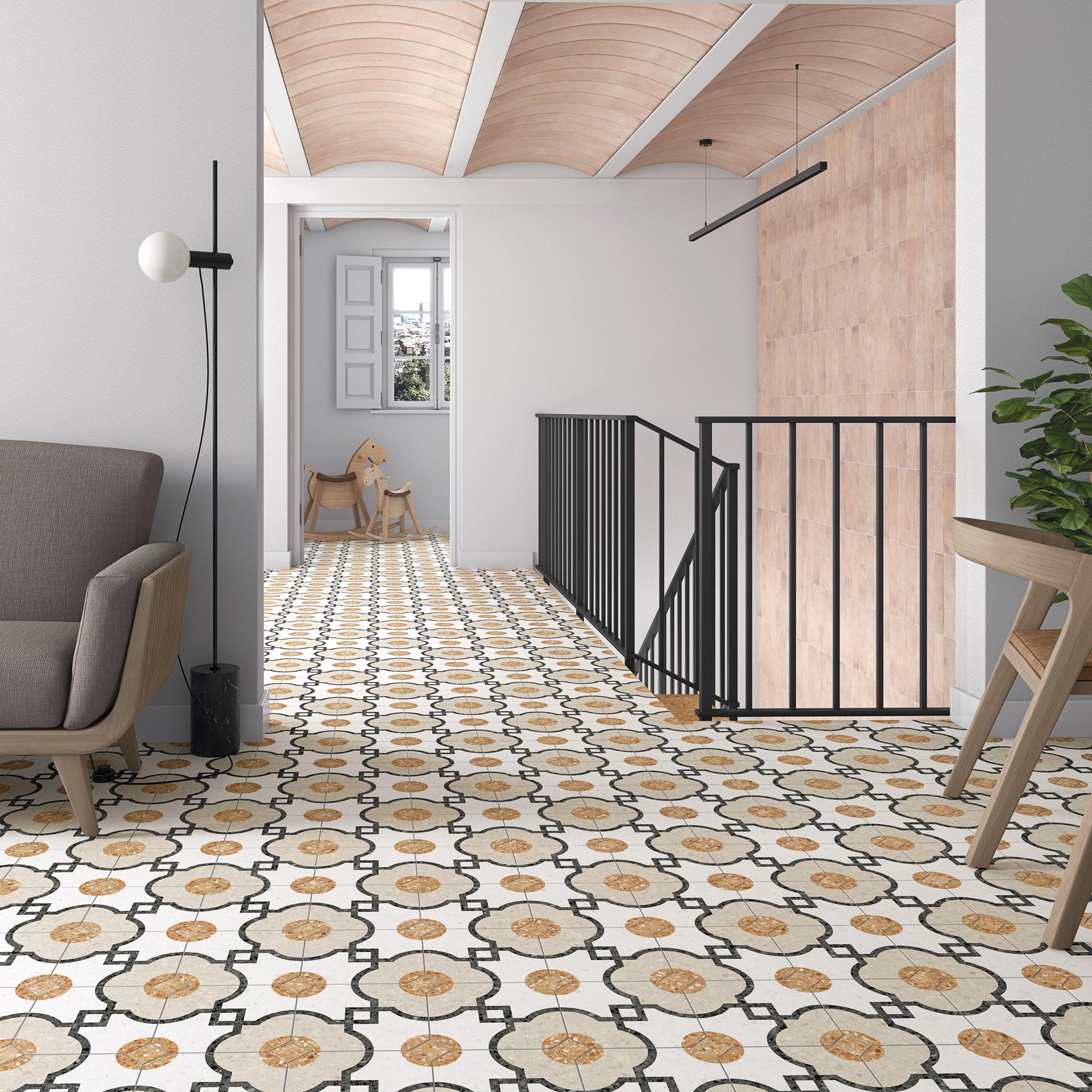
Octógono Tolone Beige uses terracotta-coloured curves over a pale terrazzo-effect background. The arcs appear at the edges of each tile and are completed when they meet the neighbouring pieces. The finished composition forms circles, waves and linked sequences that add movement without requiring a large variety of colours.
The combination of beige, white and terracotta conveys the warmth of Mediterranean architecture, handmade flooring and natural materials. The clarity of the pattern also allows it to work within contemporary interiors. Combined with timber, woven fibres, pale plaster finishes or cream-coloured furniture, it creates a welcoming and balanced atmosphere.
Tolone can cover an entire kitchen, define the floor of a bathroom, mark out the dining area in an open-plan home or add a recognisable identity to a café. Its ornament remains clearly visible while maintaining a softer presence that makes it suitable for larger surfaces.
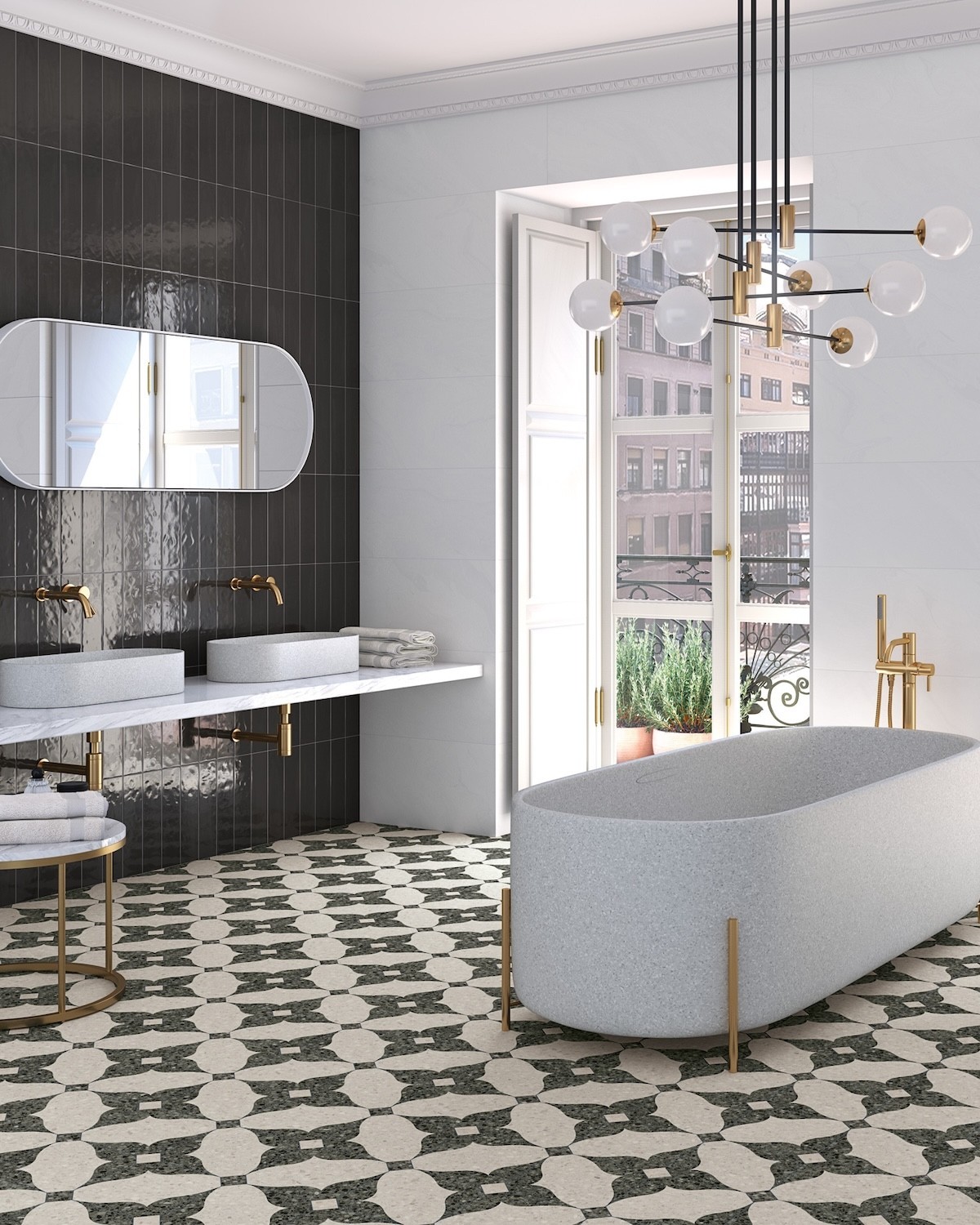
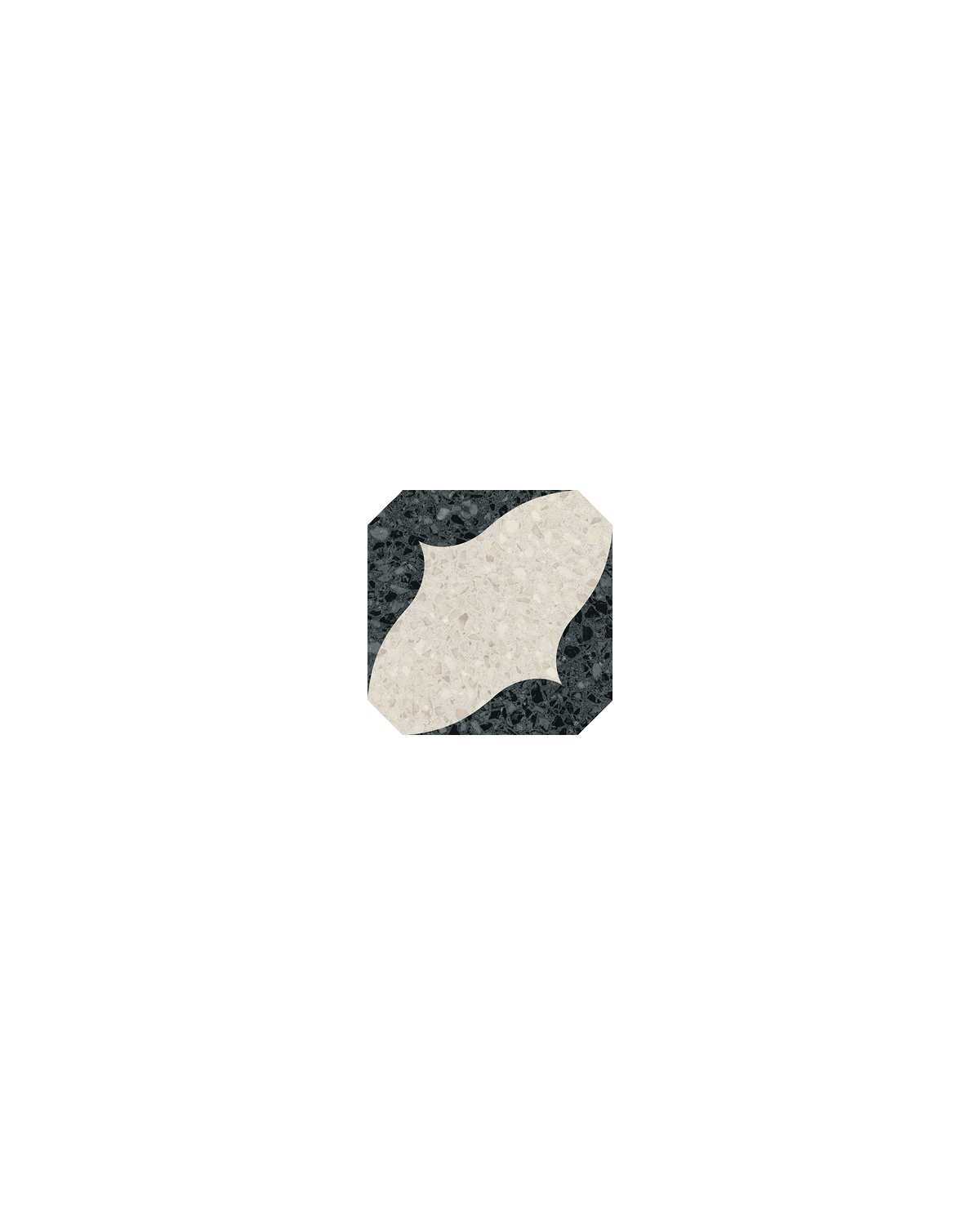
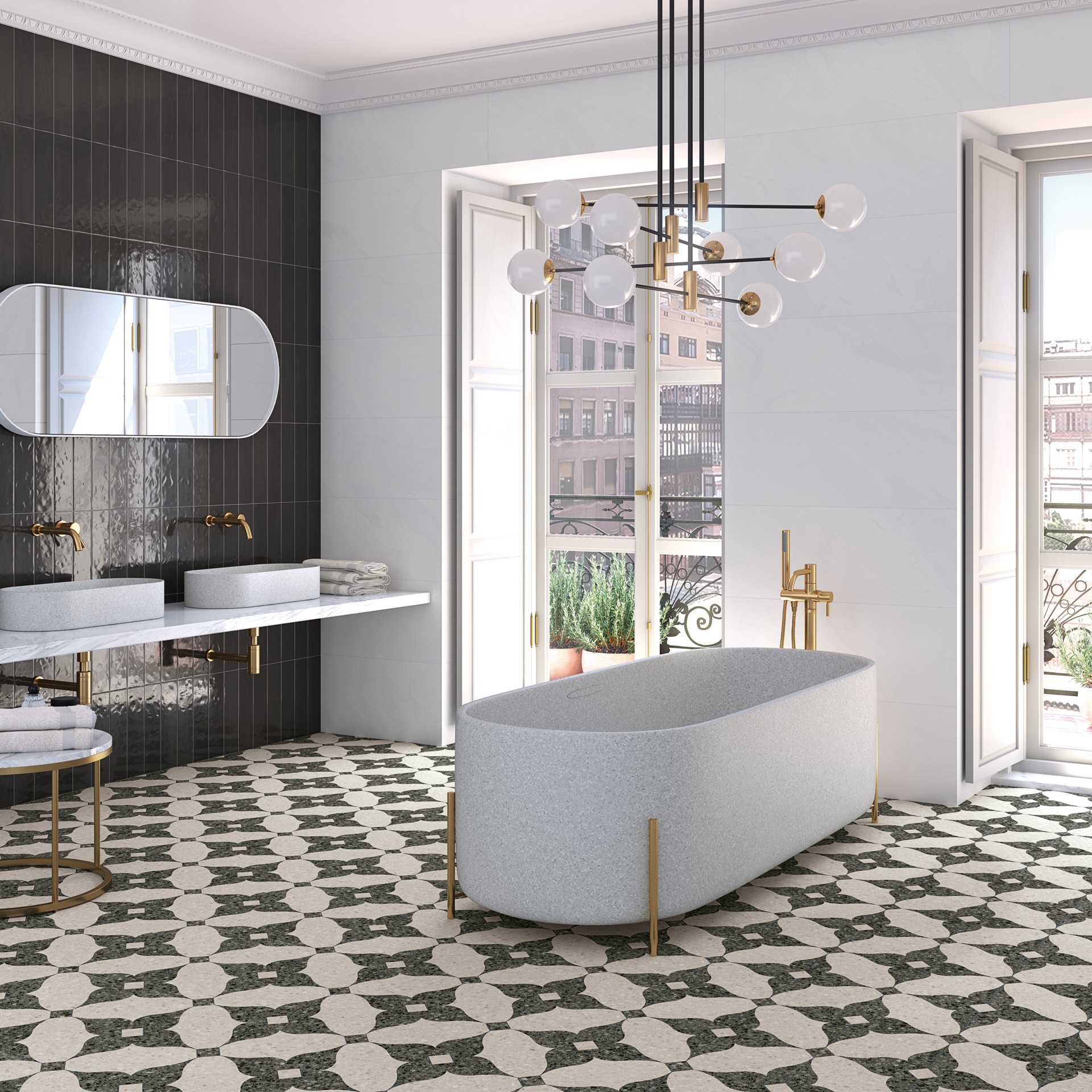
Octógono Cerbere Negro presents the most dramatic interpretation within the collection. Its dark background frames a pale central figure with curved edges, creating a strong relationship between positive and negative space. When repeated, the black sections build a deep continuous surface, while the lighter forms appear as a sequence of luminous elements inserted into the floor.
This contrast gives Cerbere a clearly architectural presence. It can provide a strong foundation for pale furniture, natural timber, metal and beige stone. It also allows monochrome interiors to be developed in which the richness comes from geometry and tonal variation rather than from an accumulation of colours.
In a bathroom, it can create a graphic base beneath white sanitaryware or wall-mounted furniture. In kitchens, it introduces depth alongside pale cabinetry and mineral worktops. In restaurants, shops and hotels, it produces a striking floor capable of reinforcing the identity of the space from the moment it is seen.
The octagonal geometry makes it possible to place 4x4 cm ceramic inserts in the spaces created between the tiles. The Niza collection includes different coordinated colours, significantly expanding the customisation possibilities. The insert should not be treated as a secondary detail, because its colour has a direct influence on the overall appearance of the floor.
An insert close to the dominant colour of the decorative tile creates a subtle transition and encourages a more cohesive surface. A darker piece intensifies the grid and highlights the octagonal shape. Green, beige or reddish tones can repeat colours already present within the pattern and create a more harmonious composition. Contrast may also be used intentionally to emphasise each connection between the tiles.
The choice should take into account the selected design, the grout colour and the surrounding materials. This combination of octagon and insert allows the same tile to be adapted to very different styles, from classically inspired renovations to commercial projects with a more graphic design language.
In kitchens, Niza Deco provides an alternative to plain floors and large-format stone effects. Its modular design introduces detail and helps create a warmer, more domestic atmosphere. The green models work naturally with timber furniture and natural shades, Tolone contributes warmth, Garde Gris maintains a neutral palette, while Grimaud and Cerbere create stronger contrasts.
The floor can extend throughout the entire room or be limited to the cooking area, creating a visual transition towards the dining room or living space. In open-plan kitchens, this technique helps define functions without adding physical divisions. The geometry of the flooring organises the space and gives the culinary area a distinct identity.
The material can also be used as a decorative wall covering on suitable vertical surfaces. On a kitchen splashback, bar front or island, the small format brings the pattern closer to eye level and turns the ceramic surface into an ornamental feature integrated with the furniture.
The Niza decorative tiles make it possible to create bathrooms that move away from conventional uniformity. The 20x20 format adapts well to compact surfaces and keeps the composition clearly visible even within smaller rooms. A decorated floor can be combined with plain walls, concentrating the personality on the horizontal plane while preserving visual balance.
Antibes and Valeta introduce green tones and a more direct connection with organic forms. Garde Gris creates a restrained and graphic bathroom. Tolone adds Mediterranean warmth that coordinates with timber and sand-coloured finishes. Cerbere develops a more intense contrast, while Grimaud supports an interior with a more eclectic character.
The repetition of the octagonal format adds precision and detail to the renovation. The material can be extended onto selected walls, used to create a tiled dado or applied behind the basin. The pattern then becomes the main thread of the project, connecting the floor with the furniture, lighting and accessories.
In hospitality, restaurant and retail projects, the floor plays a fundamental role in how the space is perceived. Niza Deco makes it possible to create recognisable surfaces that add character without depending on additional decorative objects. The ceramic flooring itself can guide circulation, distinguish areas or reinforce the visual concept of the establishment.
Valeta creates fluid compositions, Antibes conveys a more organic sensitivity, Garde Gris provides monochrome elegance, Grimaud introduces richer ornament, Tolone adds controlled warmth and Cerbere produces a more dramatic image. This variety makes it easier to select a design that corresponds to the personality of each project.
The small format is especially expressive on bar fronts, entrances, washrooms, reception areas and transitional spaces. Carefully planned lighting allows both the overall pattern and the terrazzo-effect texture to be appreciated, changing the perception of the surface according to distance and viewpoint.
The Niza Deco 20x20 terrazzo-effect porcelain tiles by Vives combine three elements with a strong presence in ceramic design: the mineral richness of terrazzo, the tradition of the octagonal format and the visual narrative of decorative pattern. This combination creates floors and wall coverings that are not designed to disappear into the background, but to become part of the architecture and introduce their own visual structure.
Each model develops a different language. Valeta is based on the movement of curves, Antibes recalls organic forms, Garde Gris reinterprets monochrome ornament, Grimaud works with classical contrasts, Tolone introduces warm tones and Cerbere explores the depth of black. Coordinated inserts complete the composition and allow the degree of contrast to be adjusted to the requirements of the project.
Niza Deco demonstrates that small-format ceramics can play a decisive role in contemporary architecture. Its geometry can define areas, create ceramic rugs, cover complete surfaces or introduce a highly precise ornamental detail. It is a collection created for homes, kitchens, bathrooms, hotels, restaurants and commercial interiors where the floor or wall must convey history, establish rhythm and express a clearly recognisable personality.
Data sheet
No customer reviews for the moment.
The Niza Deco 20x20 terrazzo-effect porcelain tile collection by Vives reinterprets the expressive character of traditional decorative flooring through a contemporary take on the octagonal format. The range combines mineral-inspired backgrounds, terrazzo-style fragments and geometric motifs to create floors and walls with a much more elaborate identity than a plain surface. Each design establishes its own dialogue between colour, form and repetition, turning ceramic modulation into an active part of the interior architecture.