Español
 Français
 English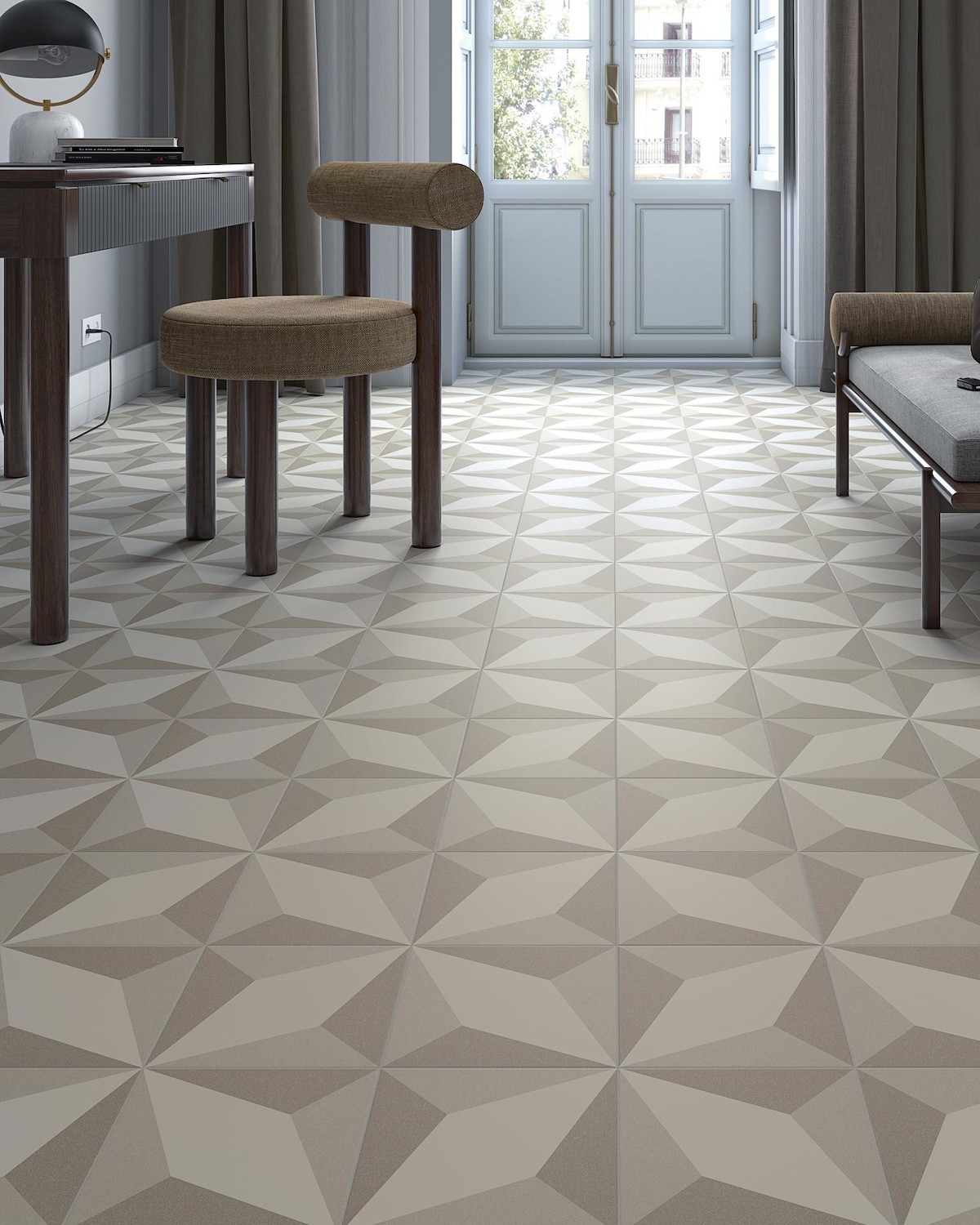
- -15%
The Bali 20x20 anti-slip decorative tiles by Vives expand the stone-effect collection through a selection of geometric, botanical and ornamental designs capable of transforming floors and walls into expressive, rhythmic surfaces. The square format recovers the traditional scale of decorative tiles, while the colour palette draws on mineral shades, greys, anthracite, beige, sand, soft green, turquoise and ochre.

 Security policy
All payment options are under SSL certificate with encryption
 Delivery policy
We deliver with a flatbed truck to any destination in Spain, France and Belgium. Consult other dest
The Bali 20x20 anti-slip decorative tiles by Vives expand the stone-effect collection through a selection of geometric, botanical and ornamental designs capable of transforming floors and walls into expressive, rhythmic surfaces. The square format recovers the traditional scale of decorative tiles, while the colour palette draws on mineral shades, greys, anthracite, beige, sand, soft green, turquoise and ochre.
The collection includes Bangli Antracita, Bangli Turquesa, Batur, Besakih, Nusa, Munduk, Pulaki, Muaya, Ubud, Tuban Gris, Tuban Antracita and Jimbaran. Each reference has its own composition and can create very different atmospheres, ranging from graphic black-and-white interiors to warm Mediterranean-inspired spaces, botanical surfaces, contemporary geometric layouts and floors reminiscent of traditional encaustic cement tiles.
These pieces are made from porcelain stoneware and feature a matt finish with an R10 anti-slip surface. Their frost-resistant properties broaden the possibilities of use and allow them to be considered for both interior spaces and selected outdoor areas, always taking into account the real conditions of the project, slope, moisture exposure and applicable regulations.
Bali begins with a mineral and stone-inspired aesthetic, while its 20x20 decorative models introduce a much more expressive graphic dimension. The base colours remain connected to the natural shades of the collection, while the patterns incorporate lines, flowers, leaves, geometric shapes and handcrafted references.
This combination makes it possible to coordinate the decorative tiles with the plain Bali bases without making them appear to belong to a separate collection. The base tiles provide continuity and calm, while the decorated pieces define selected areas or turn the entire floor into the principal visual feature.
The final effect may recall traditional cement tiles, reinterpreted through softer colours, cleaner geometries and the performance of porcelain stoneware. The collection retains the ornamental character of this type of tile while adapting it to contemporary kitchens, bathrooms, terraces, shops and homes.
The 20x20 cm format allows each motif to remain clearly visible and enables repeated pieces to form larger-scale patterns. Depending on the selected design, four tiles may create a complete figure, continue a geometric sequence or produce an apparently random surface.
The grout joint actively participates in the composition. A joint close to the background colour creates a more continuous image, while a contrasting colour reinforces the grid and visually separates each piece. The choice should be made after viewing a real sample and deciding how prominent the tile modulation should be.
The size also supports use on smaller surfaces. It can be installed in a shower, across a kitchen splashback, around a basin, in an entrance, as a decorative border or within a small patio without reducing the legibility of the design.
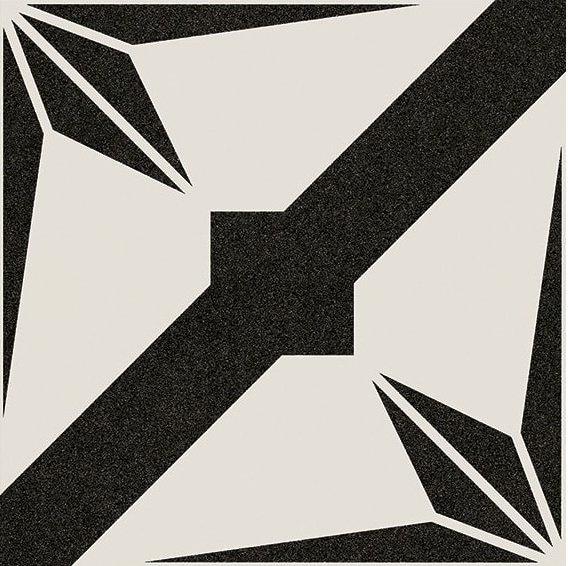
Bangli Antracita 20x20 develops a high-contrast geometric pattern through black forms over a pale base. Its diagonal lines and angular elements generate an energetic composition that can change according to the orientation of the pieces.
The black-and-white combination suits contemporary kitchens, monochrome bathrooms, entrance halls and commercial spaces where the floor needs a clearly defined graphic identity. It can be combined with white or black furniture, pale timber or metal.
Used across a complete surface, it creates a strong pattern. As a partial application, it can form a ceramic rug, highlight a shower or define a work area without changes in level or material.
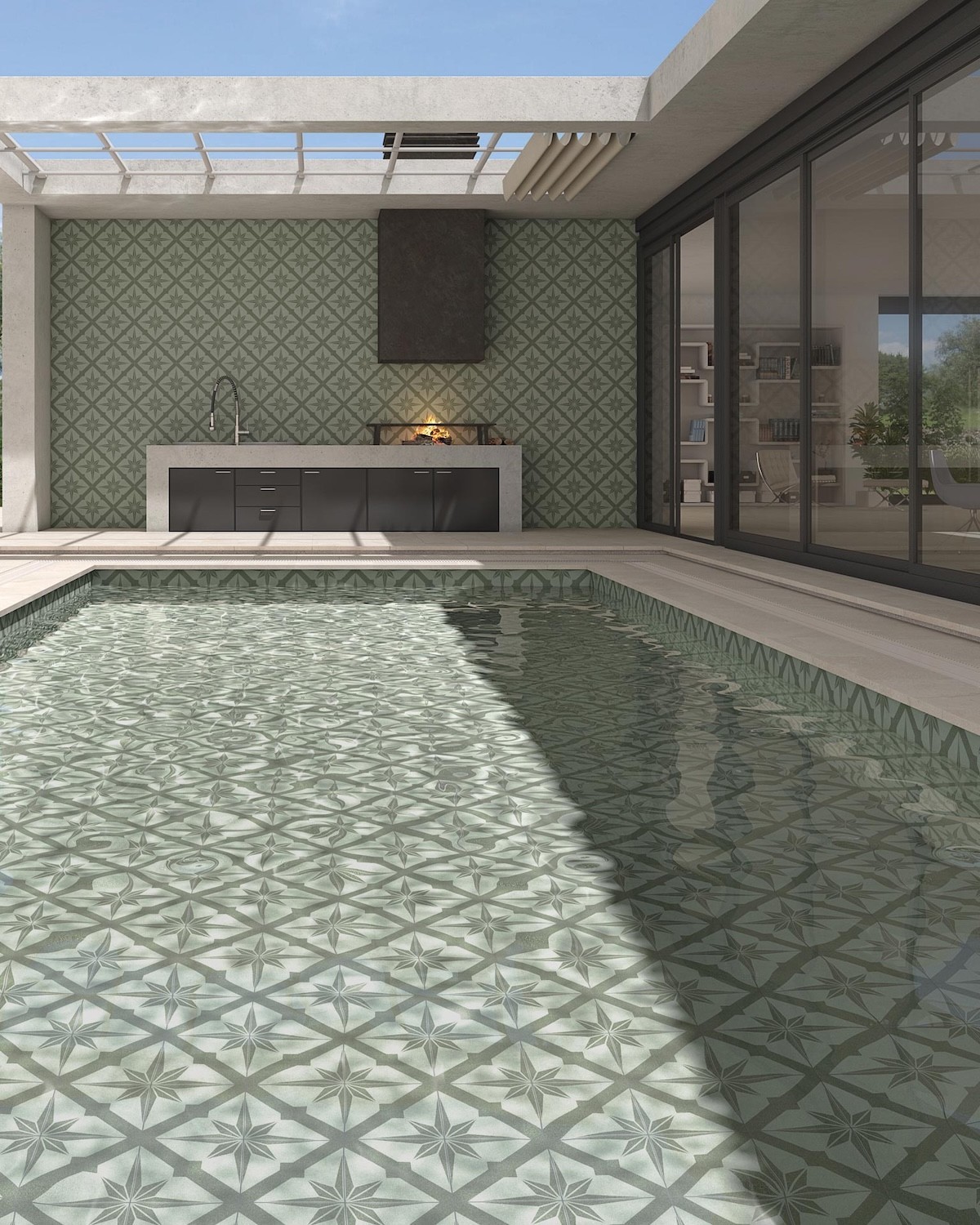
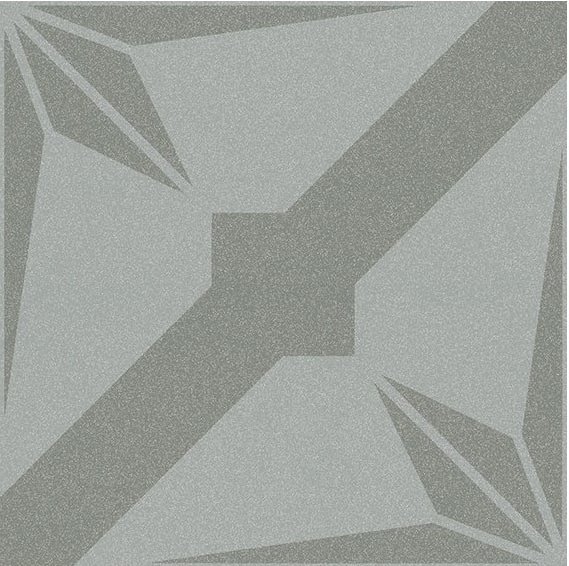
Bangli Turquesa 20x20 retains the geometric structure of Bangli but replaces the black contrast with a softer combination of turquoise, grey-green and mineral tones. The result is calmer and forms a direct connection with water, stone and natural landscapes.
This reference works particularly well in bathrooms, pool areas, terraces, Mediterranean kitchens and wellness spaces. It can be combined with Bali Turquesa, Gris or Beige base tiles to preserve a coordinated palette.
Alongside pale timber, woven fibres, white walls and planting, the design takes on a fresh character. With darker details, the geometry becomes more contemporary and precise.
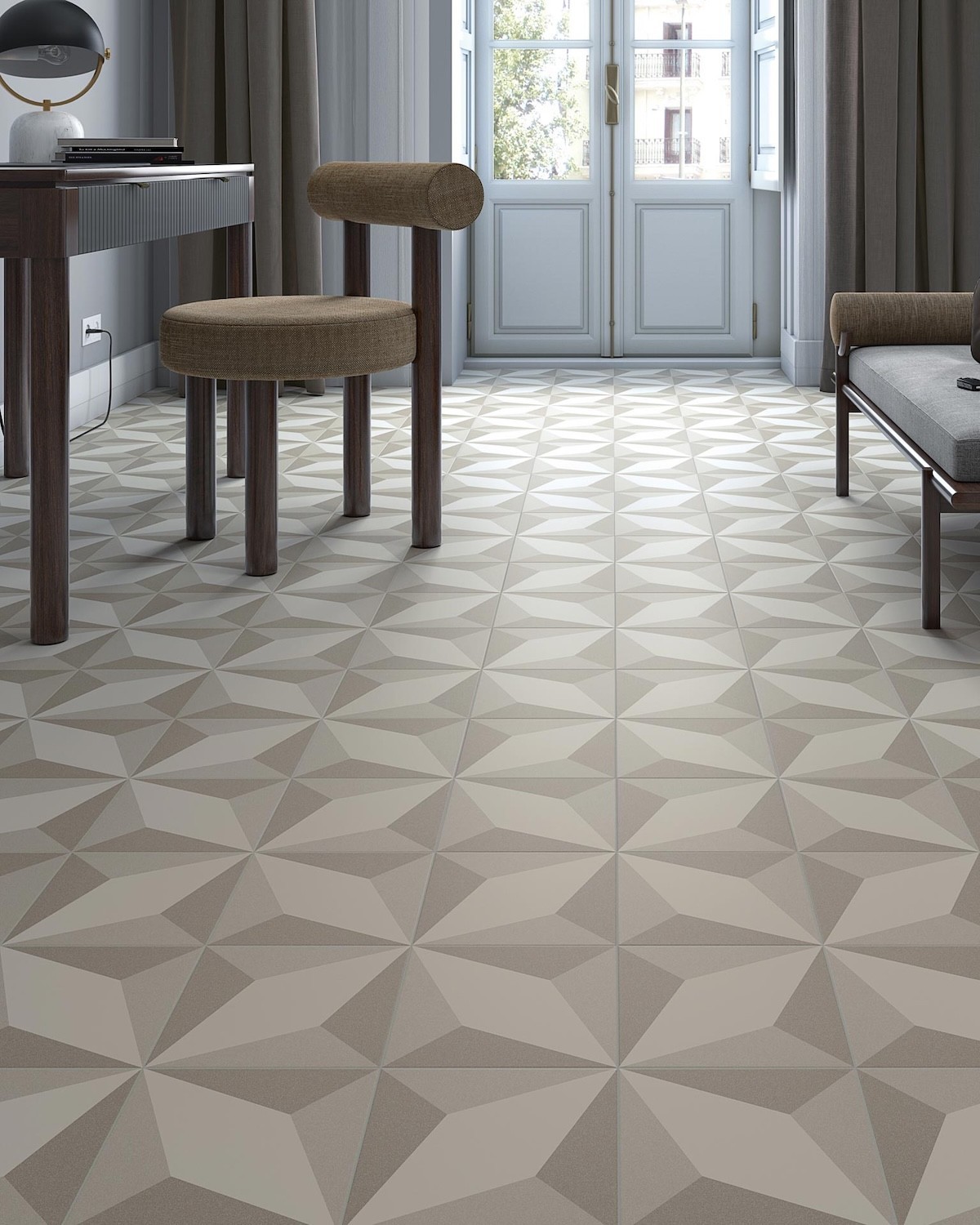
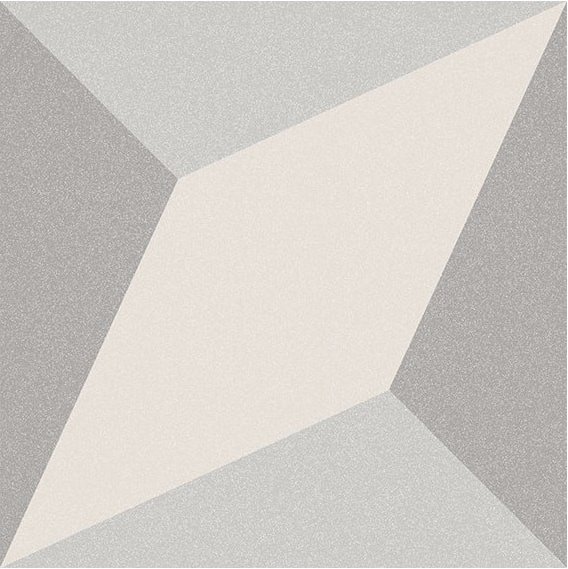
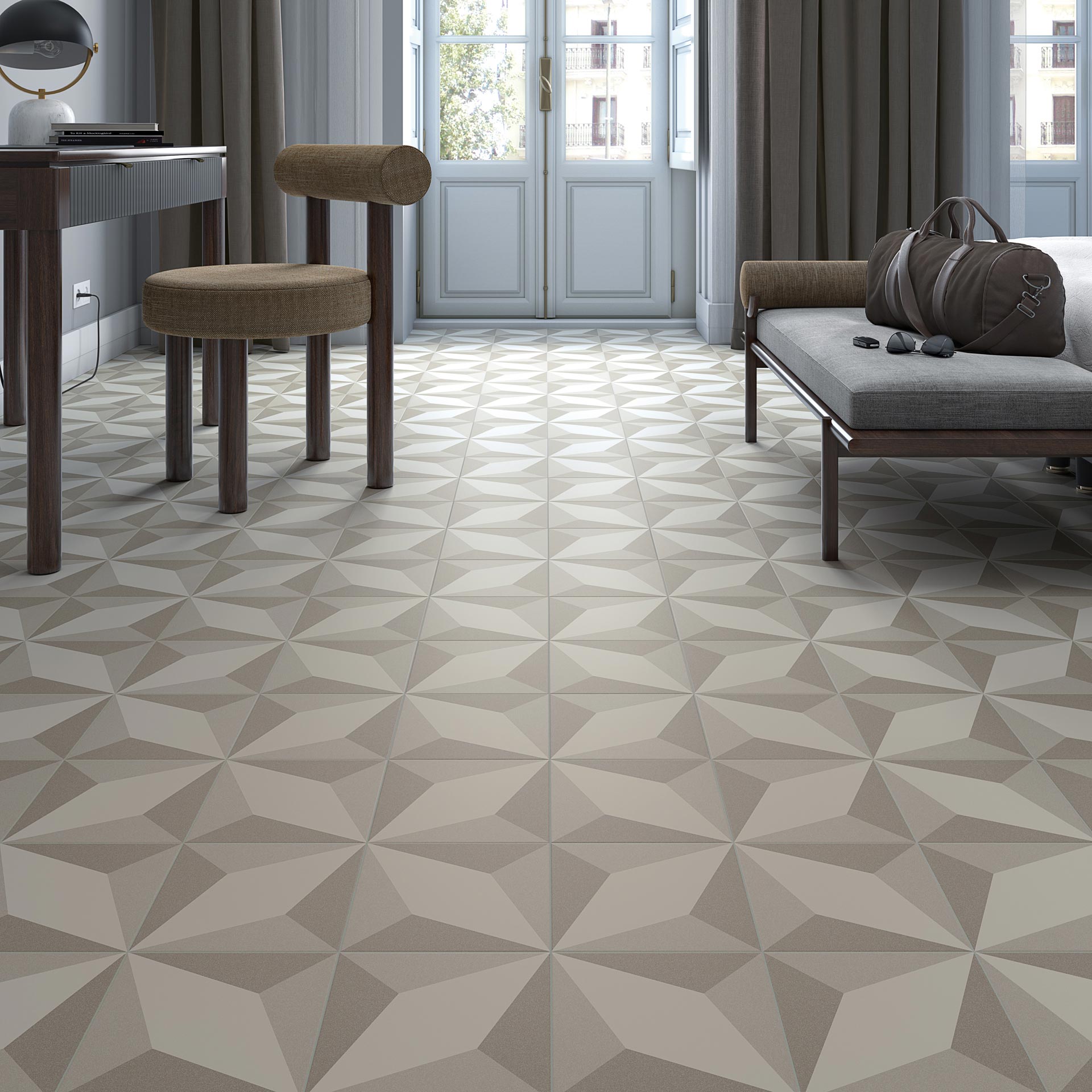
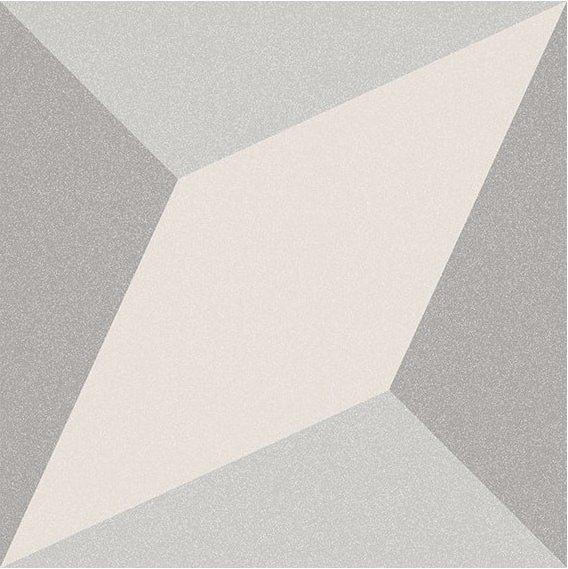
Batur 20x20 presents a composition of triangular planes in different intensities of grey, beige and white. The design recalls a faceted surface or a geometric volume viewed from several directions.
The absence of botanical ornament makes it suitable for minimalist, industrial and contemporary interiors. The tonal changes add movement while preserving a neutral palette that does not restrict the choice of furniture.
Batur can be used as the main flooring in kitchens and bathrooms or as a decorative wall panel. Repetition creates an abstract surface in which the tiles appear to connect and form larger volumes.
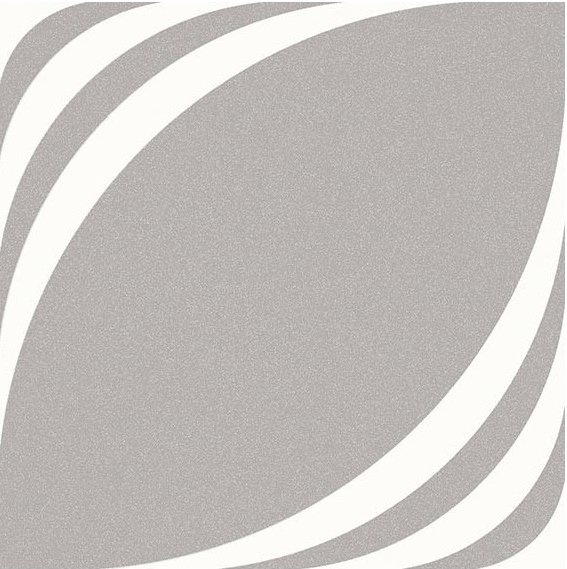
Besakih 20x20 uses curved forms and white lines over a soft grey background. The motif has an organic quality and creates a more fluid sense of movement than strictly geometric compositions.
The curves can connect across several pieces to form waves, petals or interwoven shapes. Changing the orientation during installation makes it possible to create regular compositions or freer, less repetitive surfaces.
Its neutral palette coordinates easily with timber, pale stone, white furniture and black details. It is suitable for calm bathrooms, contemporary kitchens and commercial interiors where pattern is required without intense colour.
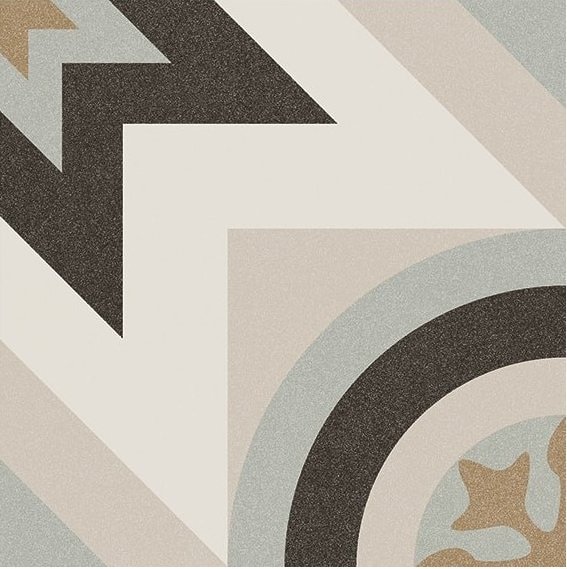
Nusa 20x20 combines angular lines, darker bands and curved shapes in a composition of grey, beige, white and small earthy accents. Its design approaches the appearance of traditional cement-tile flooring while offering a more contemporary interpretation.
The richness of the motif makes it suitable as the central feature of a room. In a kitchen, it can become the visual background for plain cabinetry. In a bathroom, it can highlight the floor or shower wall. In hospitality and retail projects, it creates recognisable surfaces that help establish identity.
The natural colours make it easy to combine with timber, concrete, stone and metal. As it contains several shades, Nusa can act as a visual link between different materials within the project.
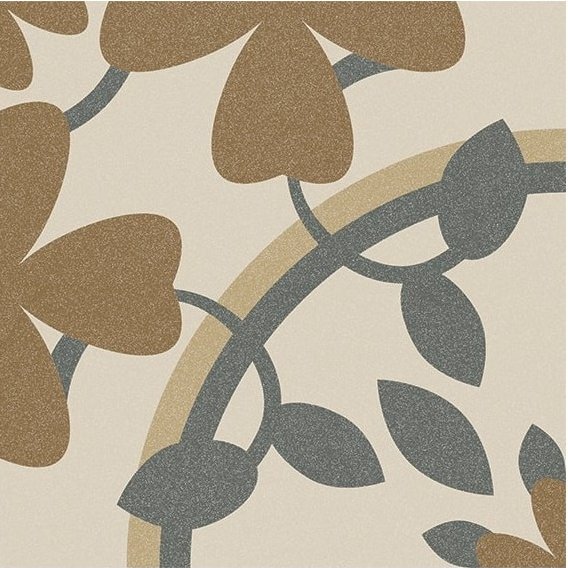
Munduk 20x20 develops a botanical composition of leaves and branches in beige, ochre, blue-grey and cream. Its design connects clearly with nature without becoming excessively literal.
The warm palette works in Mediterranean kitchens, nature-inspired bathrooms, cafés, restaurants and homes dominated by timber and woven fibres. The grey tones balance the earthy colours and prevent the composition from appearing too rustic.
Munduk can cover a complete surface or be combined with a plain beige, grey or cream base. Used selectively, it introduces a botanical detail. Across larger areas, it creates a more intense graphic envelope.
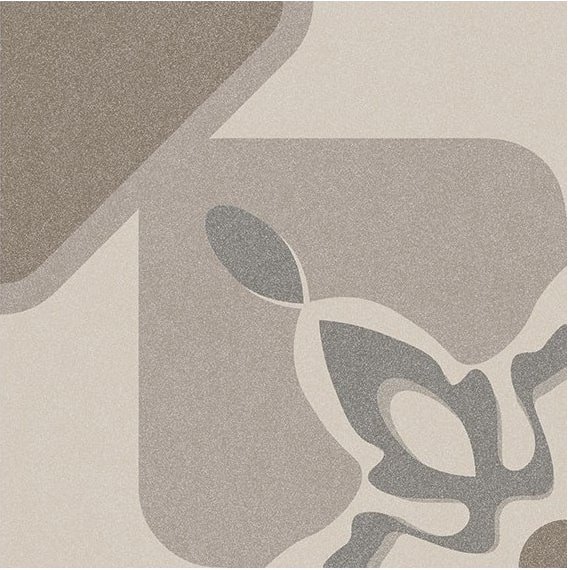
Pulaki 20x20 presents a composition of curved forms, leaves and floral elements in soft beige and grey. Its appearance recalls a handcrafted tile whose design develops when several pieces are combined.
The distribution of the motif allows larger figures to emerge and creates surfaces where the decoration flows from one tile to the next. It is particularly suitable for floors intended to recover the character of traditional surfaces without using an intense colour palette.
Pulaki coordinates with timber furniture, pale worktops, white walls, natural fabrics and warm metals. It can be used in kitchens, bathrooms, entrance halls, porches and welcoming commercial interiors.
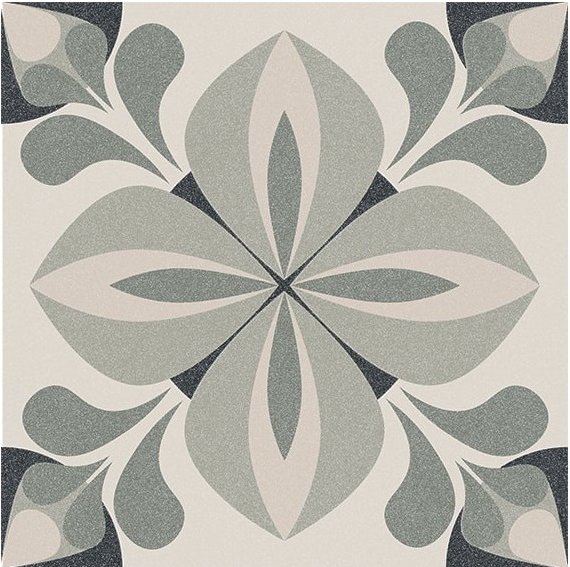
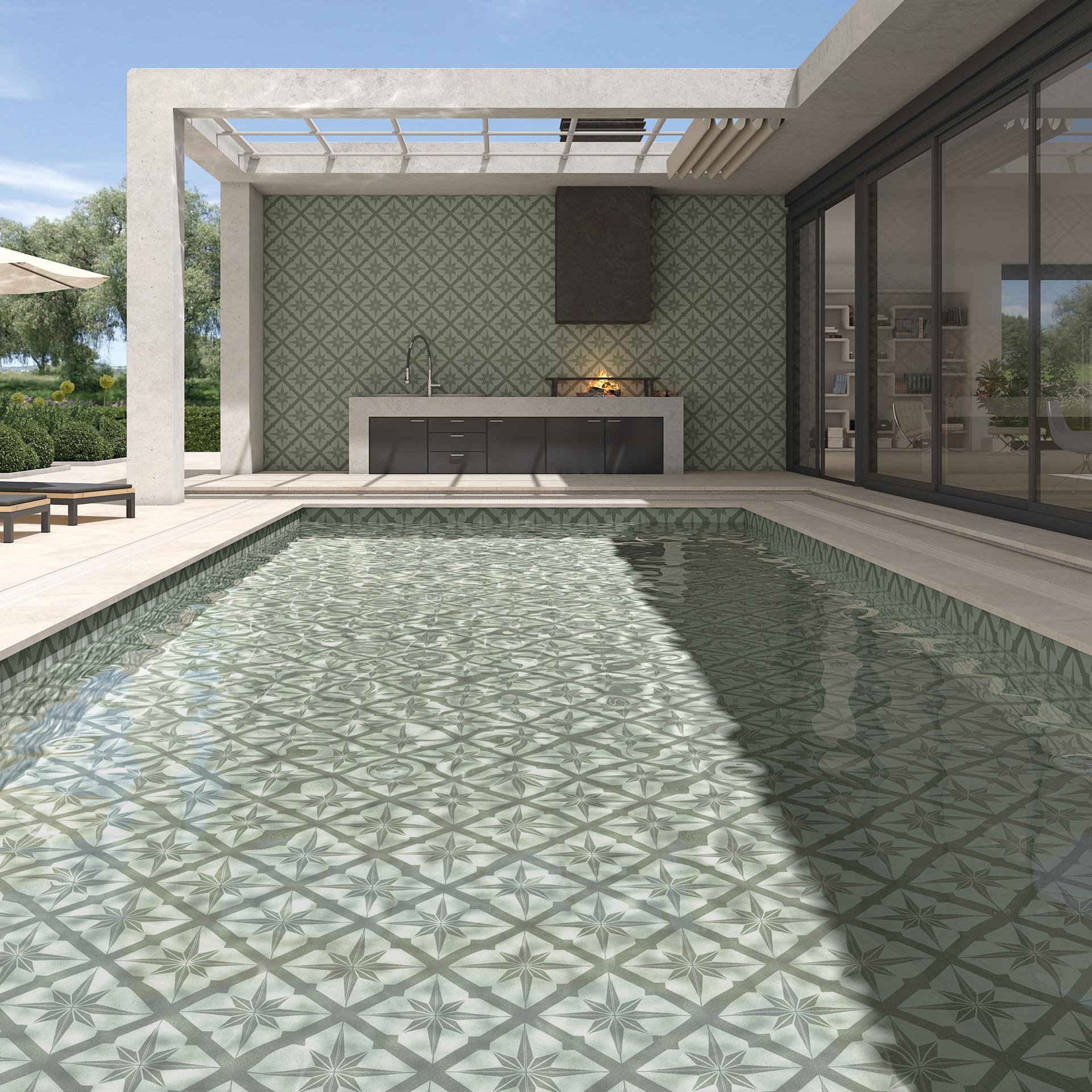
Muaya 20x20 develops a botanical motif organised around a central point, creating a figure similar to a flower or rosette. The petals and leaves use grey-green, beige and pale tones to create a harmonious composition.
The design has enough personality to lead a floor, while its soft palette maintains a balanced appearance. It can be combined with plain walls and simple furniture to avoid an excessive accumulation of patterns.
In bathrooms and kitchens, Muaya creates a handcrafted and natural atmosphere. In cafés, hotels or shops, it can form ceramic rugs and decorative surfaces that identify specific zones.
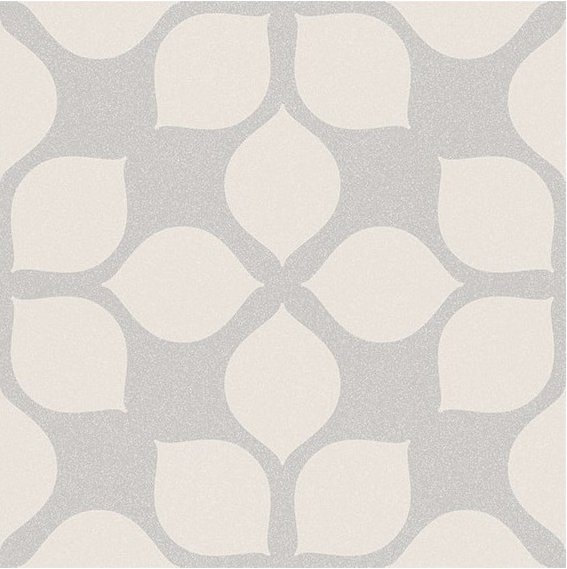
Ubud 20x20 uses a geometric structure made up of repeated curved figures over a pale background. The motif recalls a lattice, ornamental screen or repetition of small stone-like forms.
Its soft contrast allows it to be used across larger surfaces without dominating the room. It is appropriate for bright interiors where visual texture is more important than a leading colour.
Ubud can be combined with the Blanco, Beige and Gris shades of Bali, as well as pale timber, natural fabrics and clean-lined furniture. A regular layout reinforces the lattice effect and produces an ordered surface.
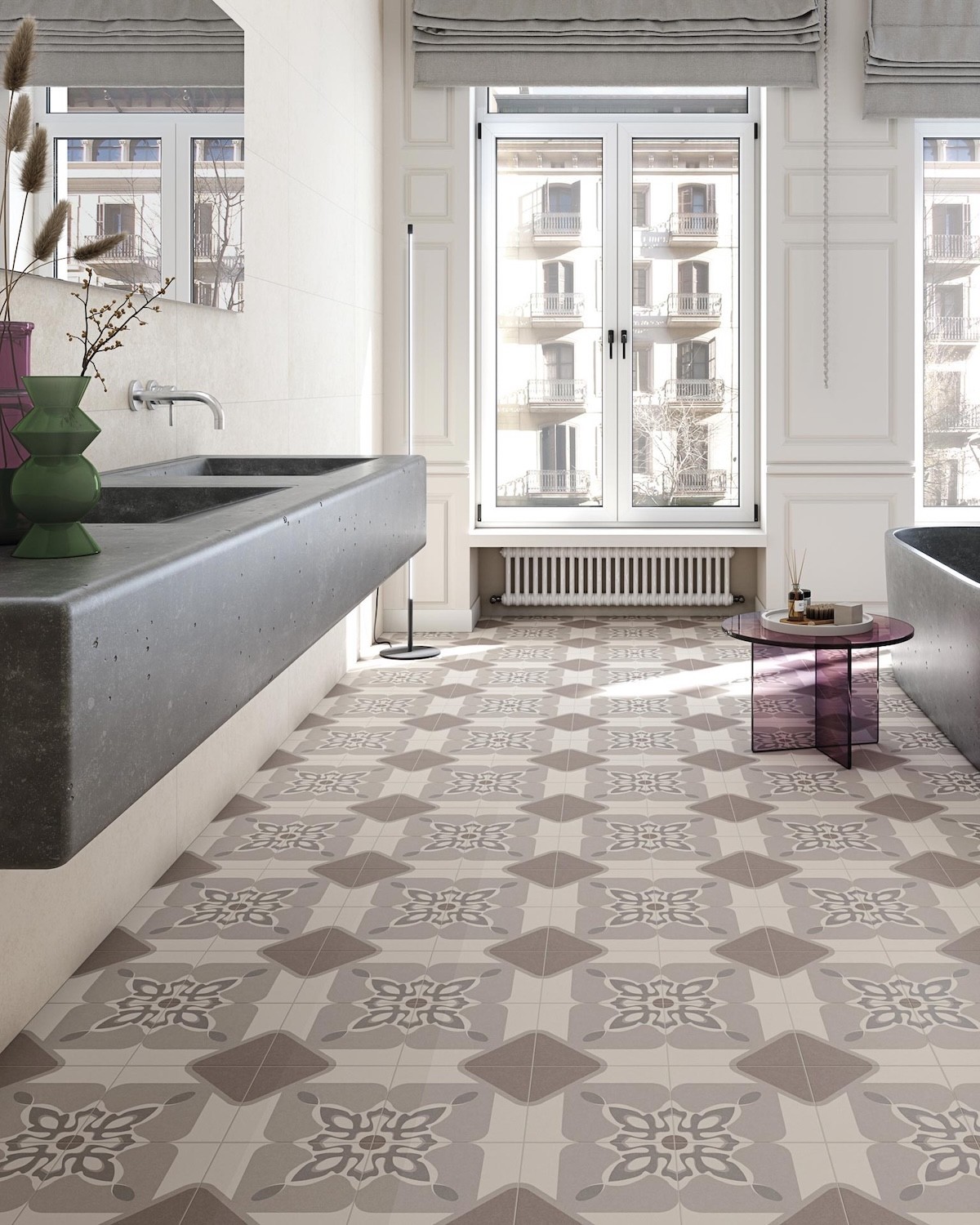
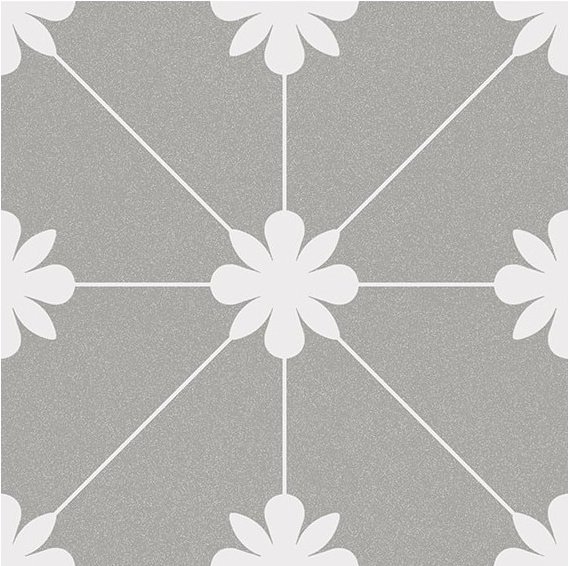
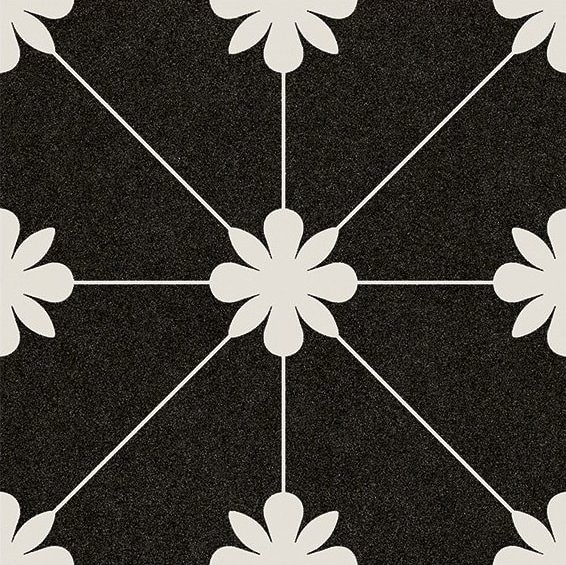
Tuban Gris 20x20 presents small white flowers connected by diagonal lines over a grey background. Repetition creates a geometric structure in which the floral motifs appear at the points where the lines meet.
The grey background introduces neutrality and allows the white to stand out without creating an excessively harsh contrast. It suits bathrooms, kitchens, entrance areas and contemporary commercial interiors.
It can be combined with grey, white, pale timber, black metal or steel. A regular orientation creates an ordered and elegant network, while a freer layout changes the rhythm of the diagonal lines.
Tuban Antracita 20x20 uses the same floral and geometric language as Tuban Gris, but over a black or anthracite background. The white flowers gain greater presence and the floor develops a much stronger graphic identity.
This option works particularly well as a ceramic rug, decorative zone or feature floor in spaces where the walls and furniture remain more restrained. The black-and-white contrast creates an elegant and timeless appearance.
In bathrooms, it can be combined with white sanitaryware and black fittings. In kitchens, it works with pale cabinetry, timber or steel. In commercial projects, it creates a recognisable and distinctive surface.
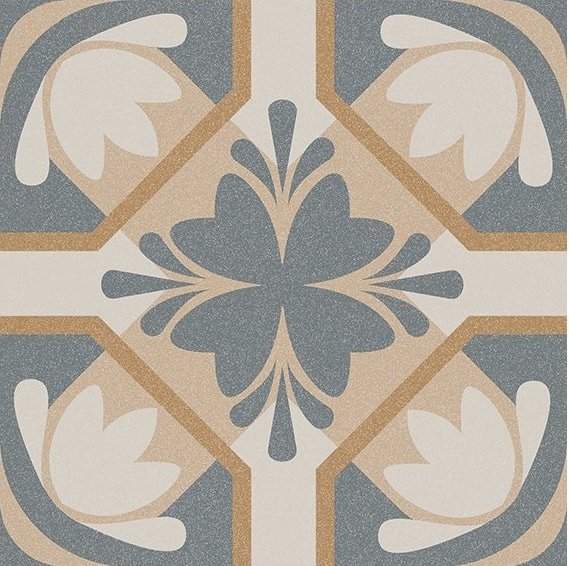
Jimbaran 20x20 presents a central floral-inspired motif surrounded by an ornamental composition in blue-grey, beige, ochre and white. Its design recalls traditional encaustic cement tiles and creates a complete figure with considerable visual richness.
The palette combines warm and cool shades, making it easy to integrate with different materials. The blue tones can be repeated in paint, fabrics or other ceramic elements, while ochre and beige connect with timber, stone and woven fibres.
Jimbaran is suitable for kitchens, bathrooms, entrance halls, restaurants and projects seeking to recover the decorative character of traditional flooring through a contemporary interpretation.
The Bali 20x20 decorative tiles feature an R10 surface that provides greater slip resistance than conventional interior flooring. This characteristic broadens their suitability for kitchens, bathrooms, entrance areas, porches, covered terraces and selected spaces occasionally exposed to moisture.
The R10 classification should not be considered in isolation. Product suitability also depends on slope, frequency of water exposure, type of traffic and applicable regulations. In showers, pool areas, ramps or highly exposed outdoor settings, it is necessary to confirm that the classification meets the specific requirements of the project.
The anti-slip texture forms part of the matt surface and requires appropriate cleaning. Correctly executed joints and a suitable post-installation clean help preserve the appearance of the designs.
The frost resistance of Bali porcelain stoneware means it can be considered for outdoor spaces as well as interiors. Patios, porches, covered terraces and entrances can benefit from its decorative designs, provided the installation is carried out over a suitable substrate with materials intended for exterior use.
The work must account for slopes, water drainage, movement joints and climatic conditions. The decorative design does not replace the technical requirements of a properly planned outdoor installation.
In projects connecting interior and exterior spaces, the decorative models can create continuity or emphasise a transition. A kitchen may extend towards a porch through the same palette, while a patio can become a leading feature through the 20x20 floor.
The kitchen is one of the spaces where the Bali Deco collection can express the greatest personality. The geometric and botanical patterns create floors capable of working with plain cabinetry and worktops in stone, porcelain or timber.
Batur, Besakih and Ubud support neutral and contemporary kitchens. Munduk, Pulaki, Muaya and Jimbaran introduce a more ornamental and handcrafted atmosphere. Bangli Antracita and Tuban Antracita provide graphic contrast, while Bangli Turquesa adds a fresher note.
They can also be used on splashbacks, decorative walls or island fronts. Combining them with plain bases makes it possible to control the quantity of pattern and reserve the decoration for the most visible areas.
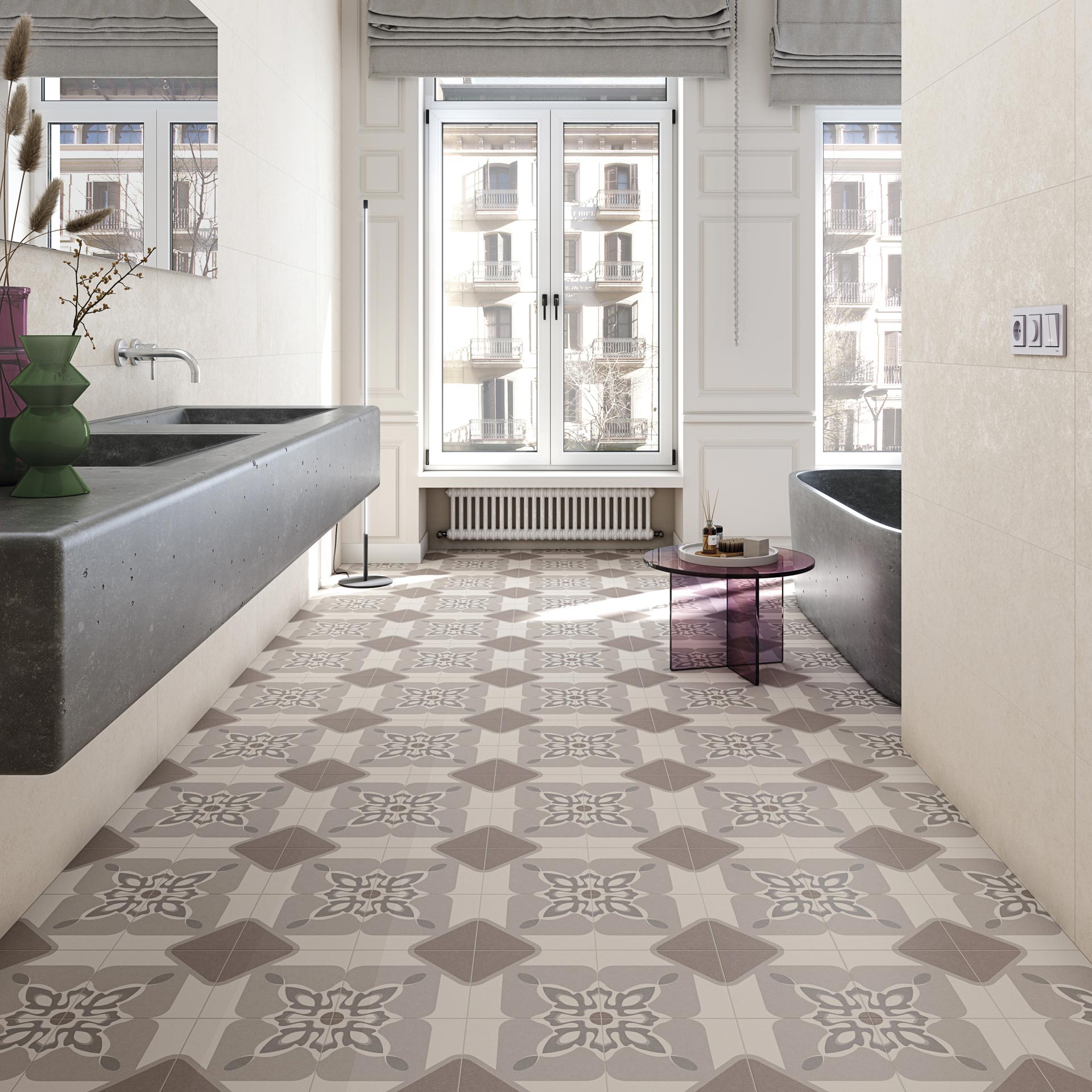
In bathrooms, Bali 20x20 decorative tiles can cover the floor, a shower wall, a niche or the front of a bath. The format adapts to smaller surfaces and allows the motifs to remain clearly visible.
The grey and white models support bright, minimalist interiors. Botanical references introduce a more direct connection with nature. Anthracite shades add depth and contrast, while beige and ochre designs create warmer spaces.
The finish selected for areas directly exposed to water should be chosen according to the required classification and real conditions of use.
On terraces and patios, these tiles provide an alternative to completely uniform outdoor flooring. Their patterns help define dining areas, relaxation zones, entrances and smaller spaces connected to the garden.
Botanical designs work with planting, timber and woven materials. Black-and-white geometry creates a more urban exterior. Turquoise and grey shades connect naturally with pool areas and coastal-inspired settings.
Before exterior installation, it is essential to confirm that the anti-slip classification and construction system are suitable for the intended use. Slope, drainage and exposure to rain are key factors.
The Bali 20x20 decorative tiles by Vives are particularly interesting for hospitality and retail projects because they make it possible to create a recognisable visual identity through flooring. A café may use Munduk or Muaya to establish a botanical atmosphere. A restaurant may select Jimbaran or Pulaki to recover a handcrafted aesthetic, while a shop can use Batur or Bangli Antracita for a more graphic image.
The format supports the creation of differentiated zones within one surface. It can identify a bar, reception area, circulation route or display zone without changing the architecture.
The final choice should consider both the design and the performance required for traffic and cleaning conditions.
The Bali Deco 20x20 anti-slip stone-effect porcelain tile collection by Vives brings together twelve designs capable of responding to very different styles. Bangli introduces geometry and contrast. Batur develops contemporary planes. Besakih adds curves. Nusa reinterprets cement-tile ornament. Munduk, Pulaki and Muaya explore botanical motifs. Ubud creates a soft lattice. Tuban combines flowers and diagonal lines, while Jimbaran recovers a richly coloured classical composition.
The diversity does not prevent the collection from maintaining a shared identity. All models have the same format, matt finish, porcelain construction and a palette connected with the mineral tones of Bali. This allows them to be combined with the plain base tiles and to create balanced transitions.
Their 20x20 format, R10 surface and frost-resistant properties allow them to be considered for kitchens, bathrooms, entrance areas, patios, porches, terraces, hotels, restaurants and shops. More than simply decorated pieces, they provide a design tool for creating surfaces with rhythm, personality and a strong handcrafted influence.
Data sheet
No customer reviews for the moment.
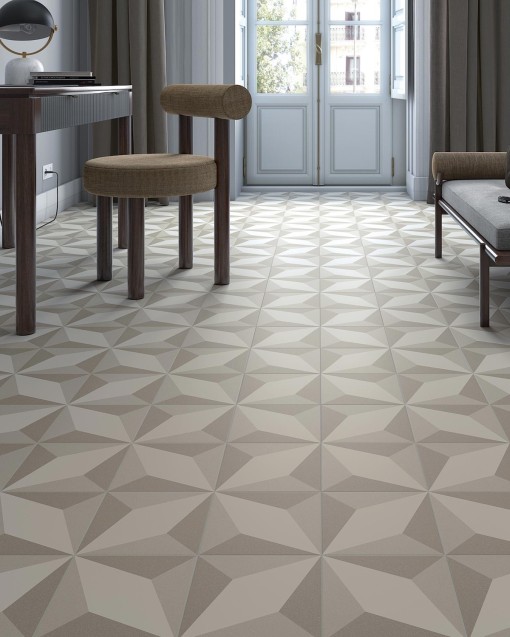
The Bali 20x20 anti-slip decorative tiles by Vives expand the stone-effect collection through a selection of geometric, botanical and ornamental designs capable of transforming floors and walls into expressive, rhythmic surfaces. The square format recovers the traditional scale of decorative tiles, while the colour palette draws on mineral shades, greys, anthracite, beige, sand, soft green, turquoise and ochre.